Mari 3.0 Release notes

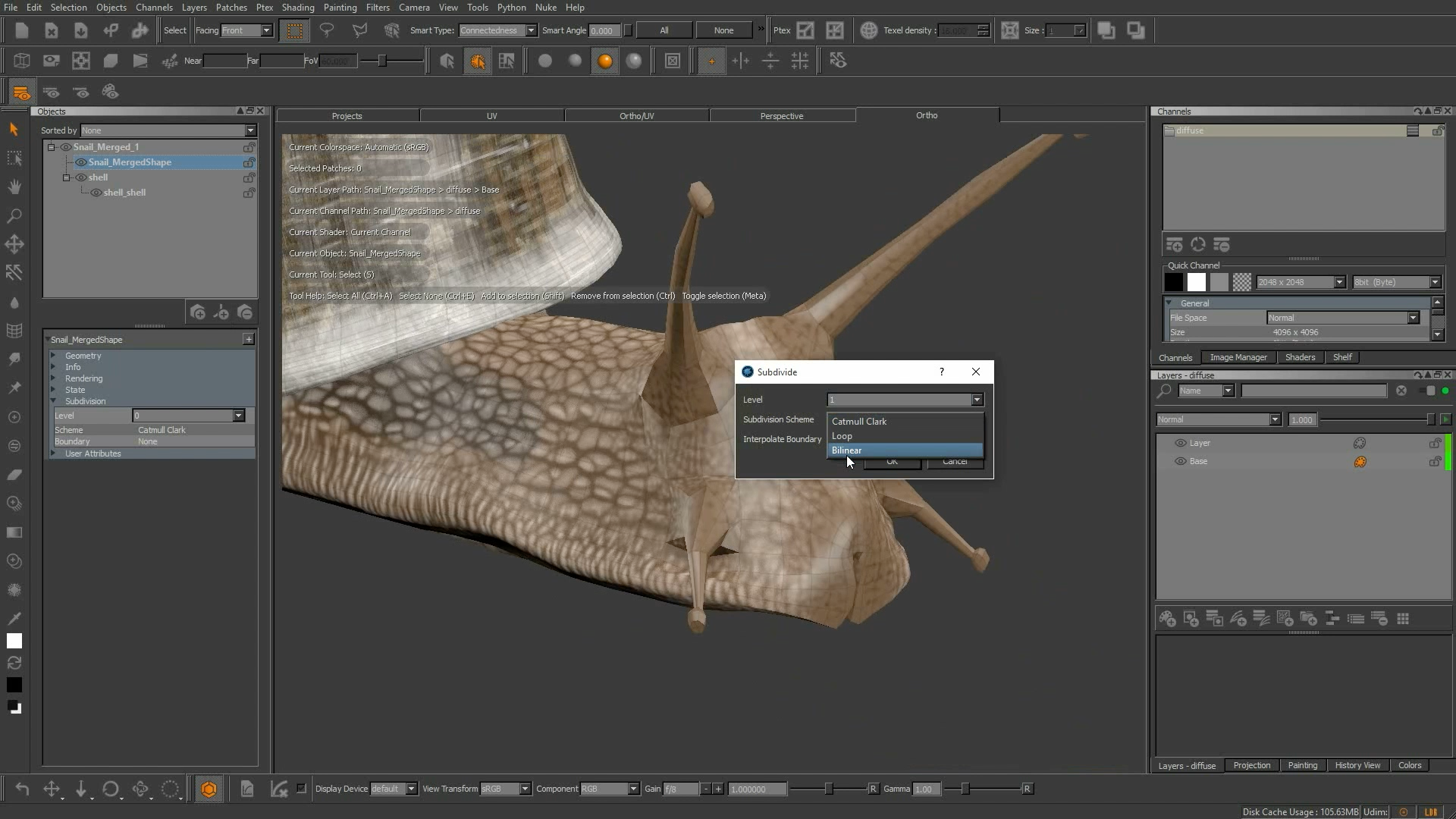
Mari OpenSubdiv support

OpenSubdiv support

Support for OpenSubdiv geometry in Mari® lets you work directly with subdivision surface (SDS) meshes. With subdivision surfaces, you can view and work with a more faithful representation of the final rendered smooth surface, and with accurate UV layouts for each level of subdivision.
Modo rendering and baking within Mari

Modo rendering and baking

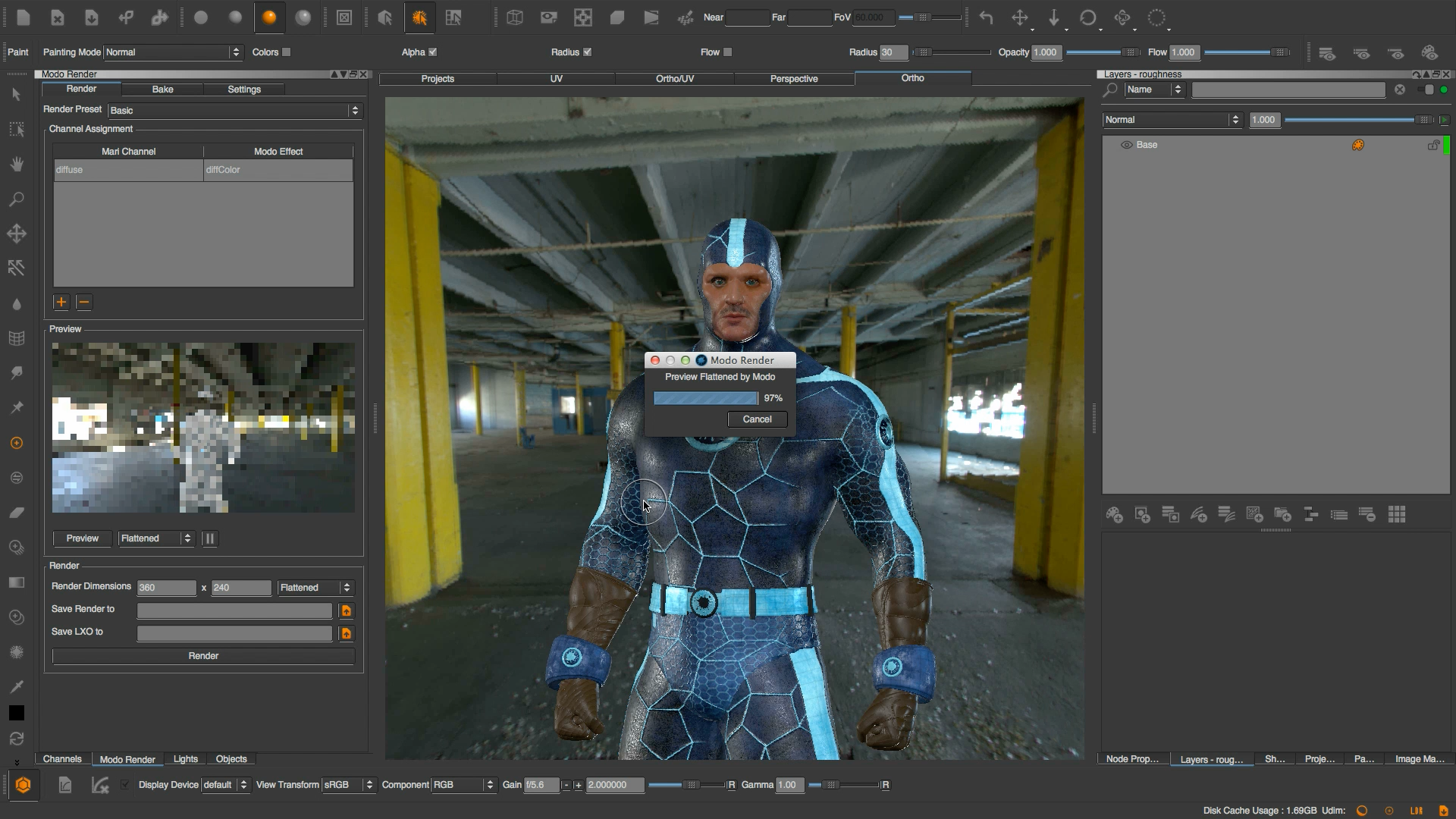
Access Modo®’s advanced photorealistic renderer directly within Mari to check the final-render quality of your work as you paint. Plus, use Modo’s powerful baking engine to bake textures from within Mari; create new baking presets in Modo for an extensive range of looks.

Color space management in Mari

Color space management

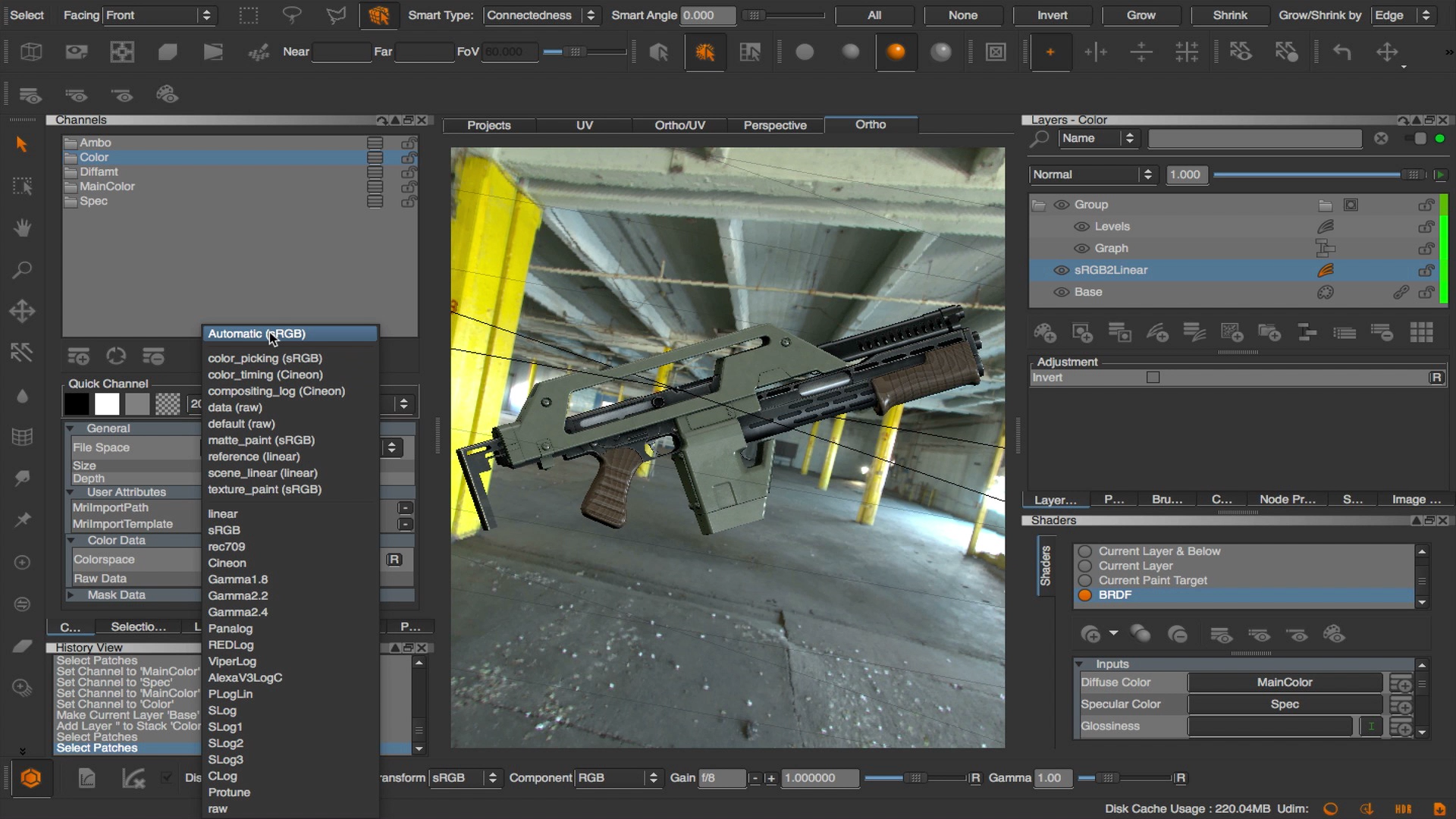
Flexible, artist-friendly color management workflows offer greater control and let you work with confidence. With color space properties on both images and on individual channels of multi-channel images, there's no need to preprocess or post-process images into the correct color space, saving time and reducing errors.

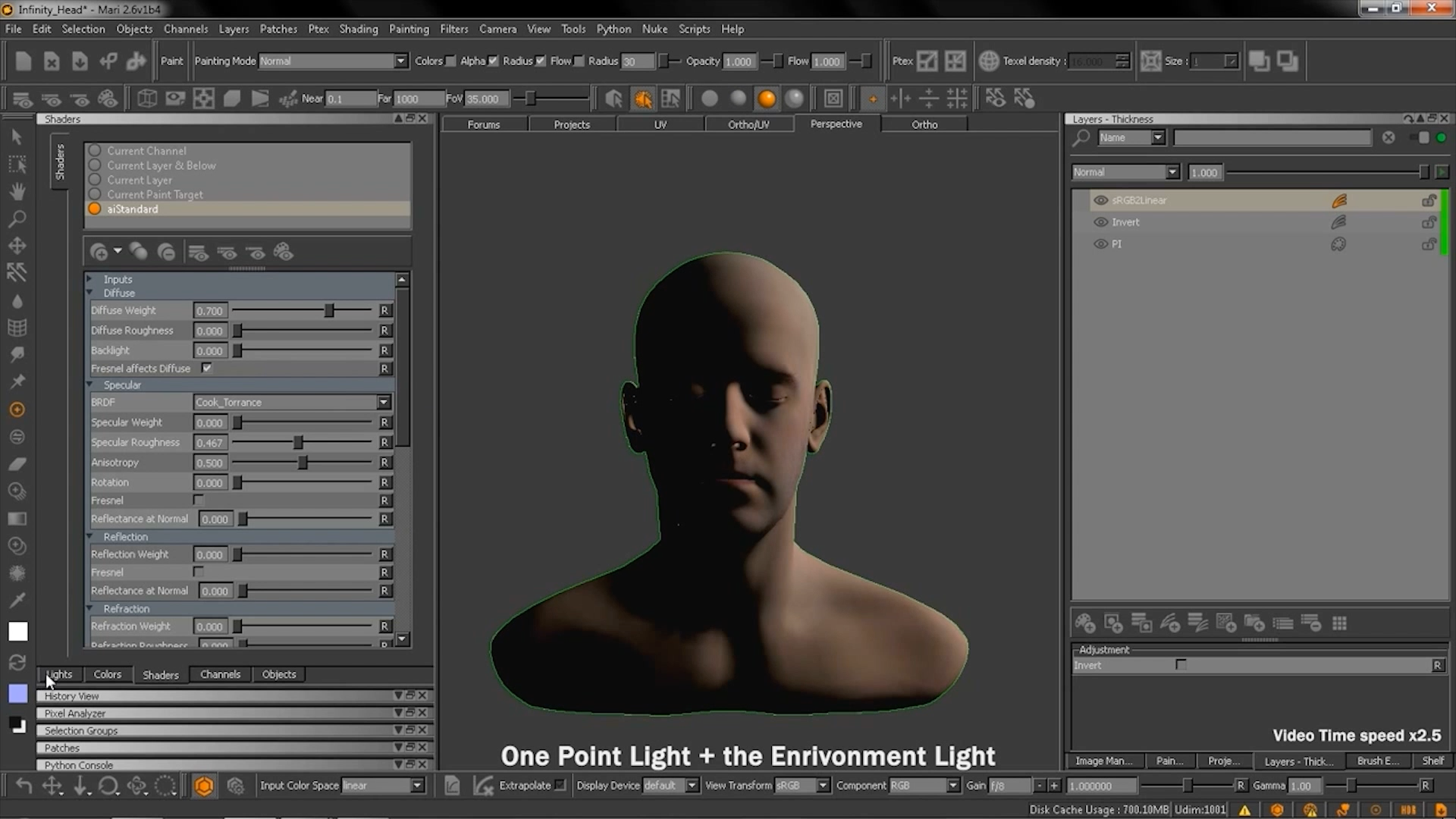
Arnold, V-Ray, Unreal and Redshift shaders

Arnold, V-Ray, Unreal and Redshift shaders

New shaders designed to simulate those used in industry-standard rendering and games engines—Arnold, V-Ray, Unreal and Redshift—let you paint your textures in their intended final context, providing more realistic previews that reduce the need for time-consuming round-tripping to ensure your textures will work as expected.

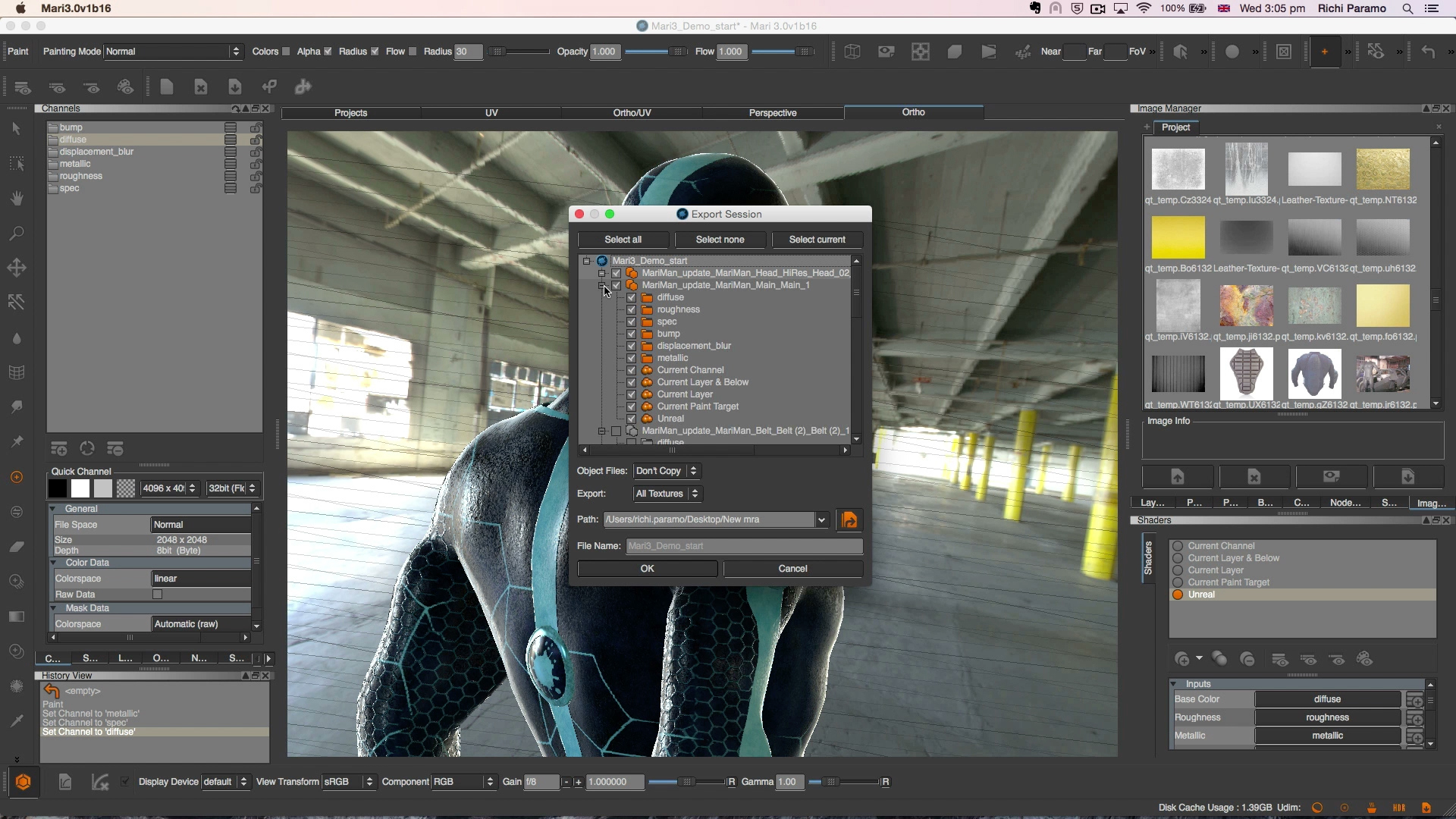
Session Scripts in Mari

Session Scripts

Session Scripts let you create a lightweight archive of a project, keeping all data intact. As well as reducing bloat, Session Scripts can be combined with other archives, letting you see assets in context with other assets, share useful data for reuse, or set up project templates.

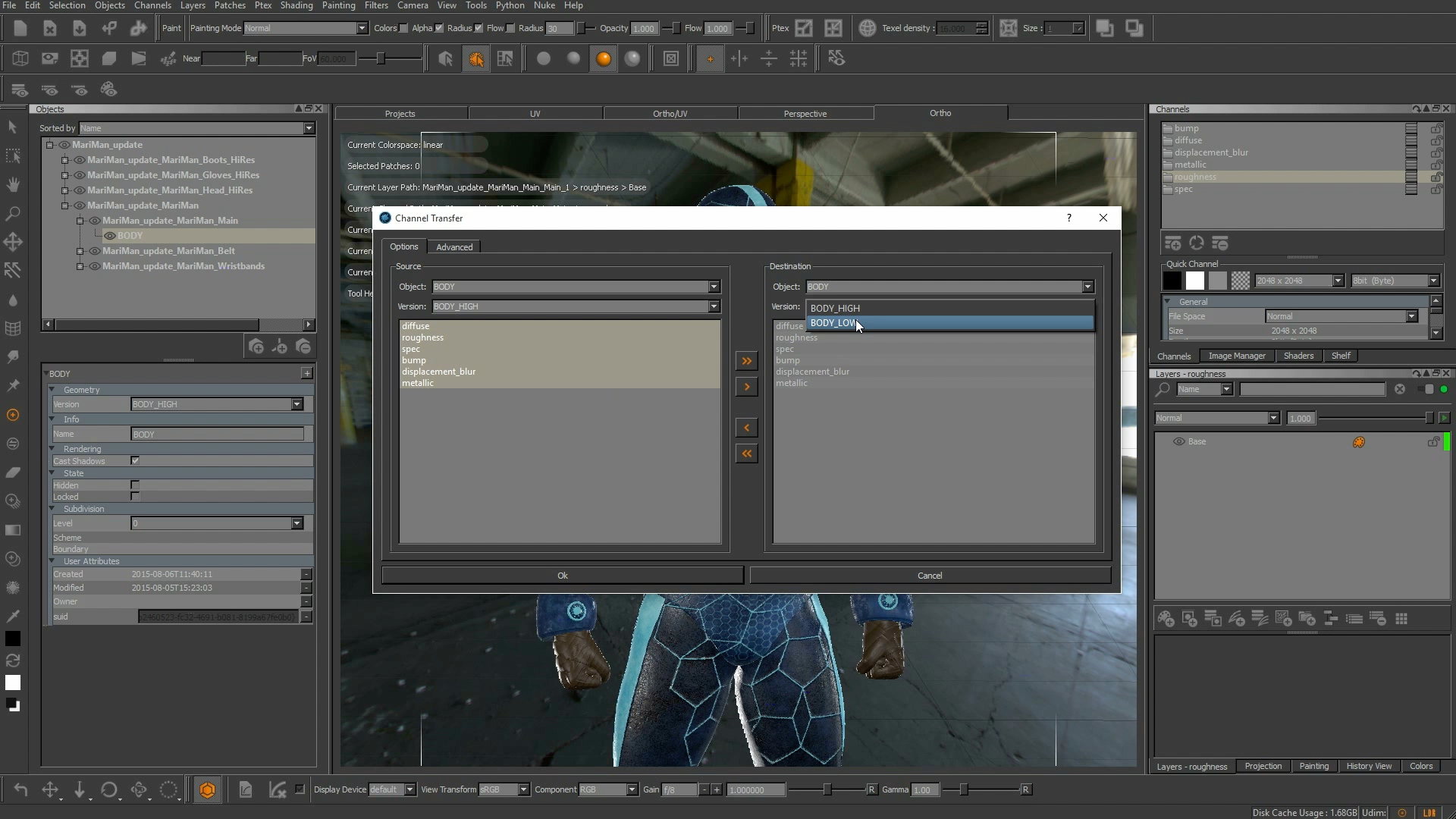
Enhanced Texture Transfer in Mari

Enhanced Texture Transfer

Mari’s Texture Transfer system uses generated point cloud data to transfer textures between two different models. In Mari 3, you can use this data to generate height and normal maps between high and low polygon models, seamlessly blur across patch boundaries, and correctly transfer overlapping UVs.