When Life Gives You Tangerines VFX: Storytelling through time
When Life Gives You Tangerines, the international hit romantic K-drama from Netflix, spans five decades. Set largely on South Korea’s biggest island, Jeju, the award-winning show stars actress and pop star IU as Ae-sun, a poor girl who dreams of becoming a poet.
Song Yong-gu, VFX Supervisor at Seoul-based M83, told us how the team used Nuke to craft the When Life Gives You Tangerines VFX, telling the epic era-spanning story in a historically accurate way.
When Life Gives You Tangerines VFX: Storytelling through time
With 9,800 VFX shots across 16 episodes, the production spanned eight months, featuring the work of more than 300 artists and supervisors from multiple studios.
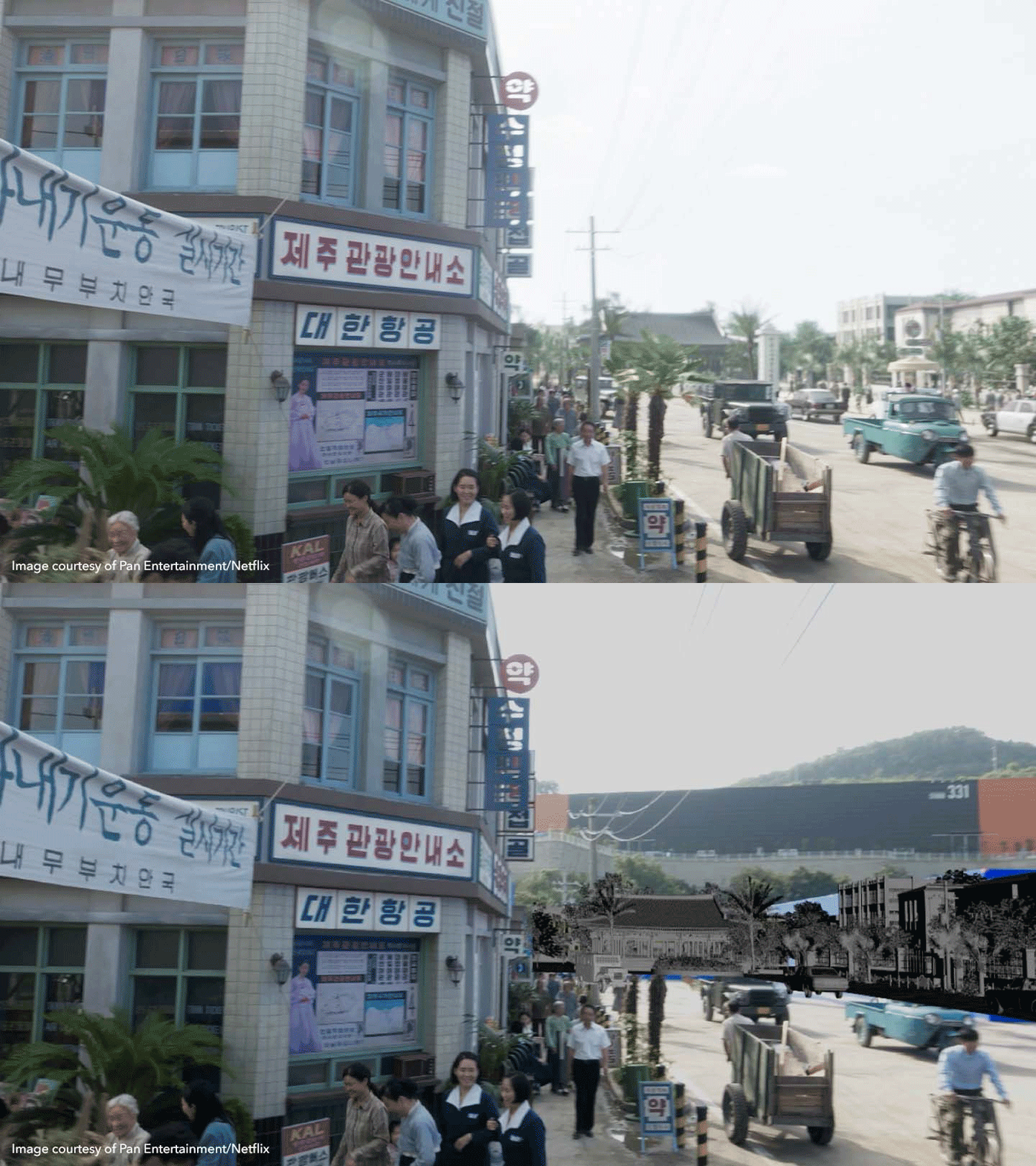
The main focus for the VFX was the meticulous reconstruction of Jeju island and the capital city of Seoul, capturing their transformation from the 1960s through to the early 2000s.
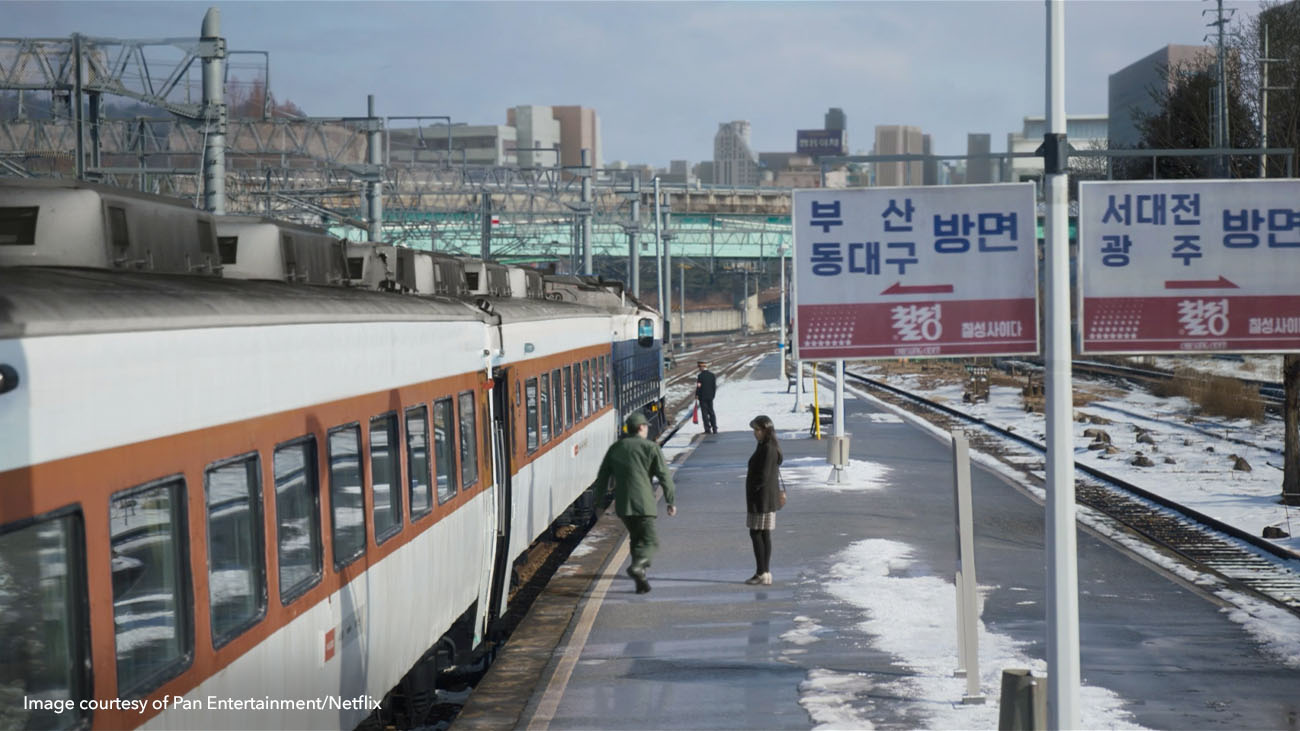
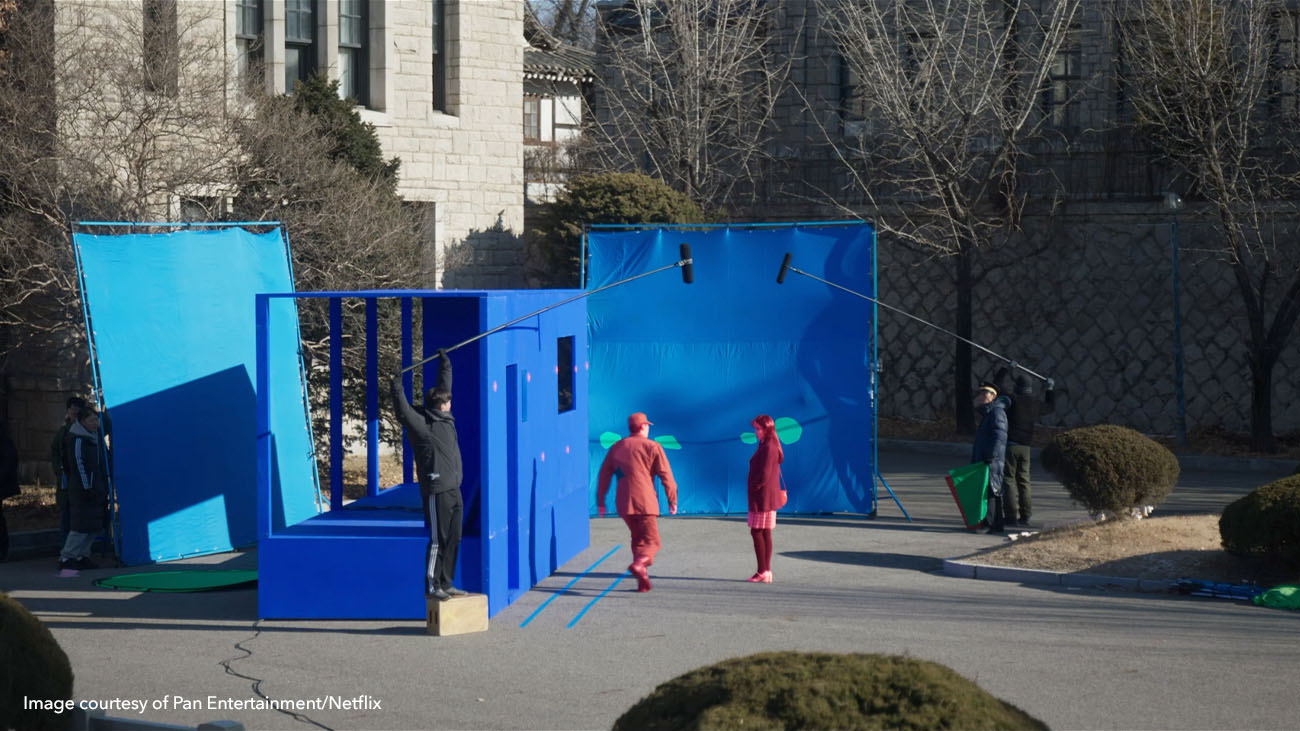
“Rather than simply recreating historical locations, we aimed to evoke the distinct ‘air’ and essence of each era,” says Song.
The team at M83 deliberately avoided creating an obvious contrast in visual look or tone between the eras. While period dramas often approach the past through a modern lens, using desaturated palettes or modified aspect ratios to signify the past, the director intentionally took a different approach.
“Since the narrative focuses on the lives of people inhabiting those moments, we recognized that for them, the 1950s and 2000s were their present — their most modern and vibrant reality,” explains Song.

The VFX team set out to build a cohesive visual language to help convey the characters’ emotional arcs across the decades, with the story reflecting the four seasons of human life.
“For instance, in scenes such as the starlit night sea, we introduced subtle elements of fantasy into an otherwise realistic drama,” says Song. “This intentional stylistic choice was designed to maximize the protagonist's sense of overwhelming joy and wonder, translating abstract emotions into a direct and visceral visual experience.”
Recreating Jeju and Seoul
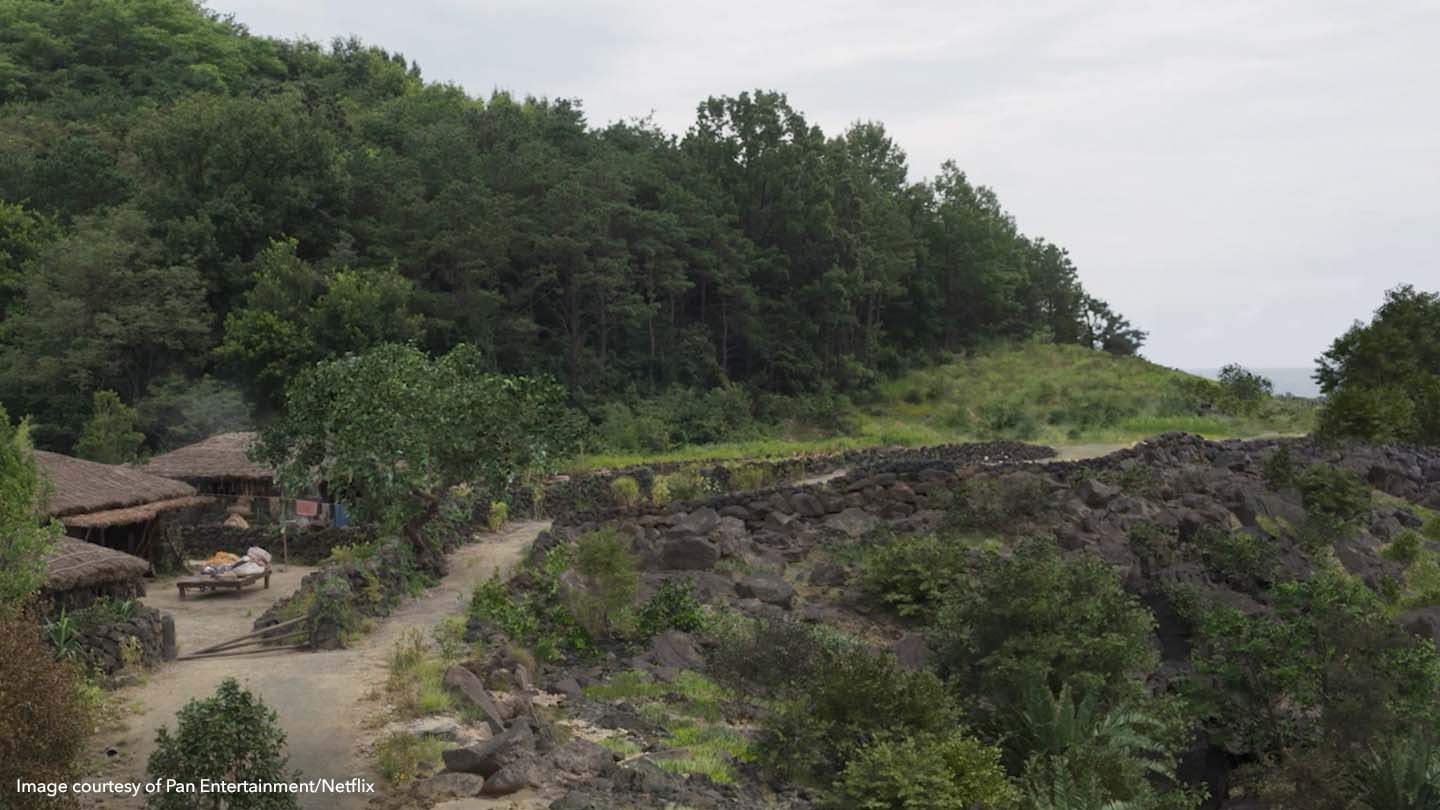
Emphasizing the contrast between the natural, maritime environment of Jeju and the dense urban landscape of Seoul was a key part of the narrative. Song explains: “For Jeju, our goal was to evoke a sense of pristine clarity, focusing on a transparent and expansive atmospheric quality.
“For Seoul, we intentionally crafted a more muted and congested aesthetic, highlighting the dense architectural structures and a relatively hazy atmosphere to accentuate the stark differences between the two locales.”
Real-life references
To ensure historical accuracy, the team reviewed classic films from eras covered in the project. For the Seoul sequences, they used these as the primary reference for road networks, traffic density, and period-specific architecture. For Jeju, they curated a collection of historical and contemporary photos and footage to document its physical transformation.
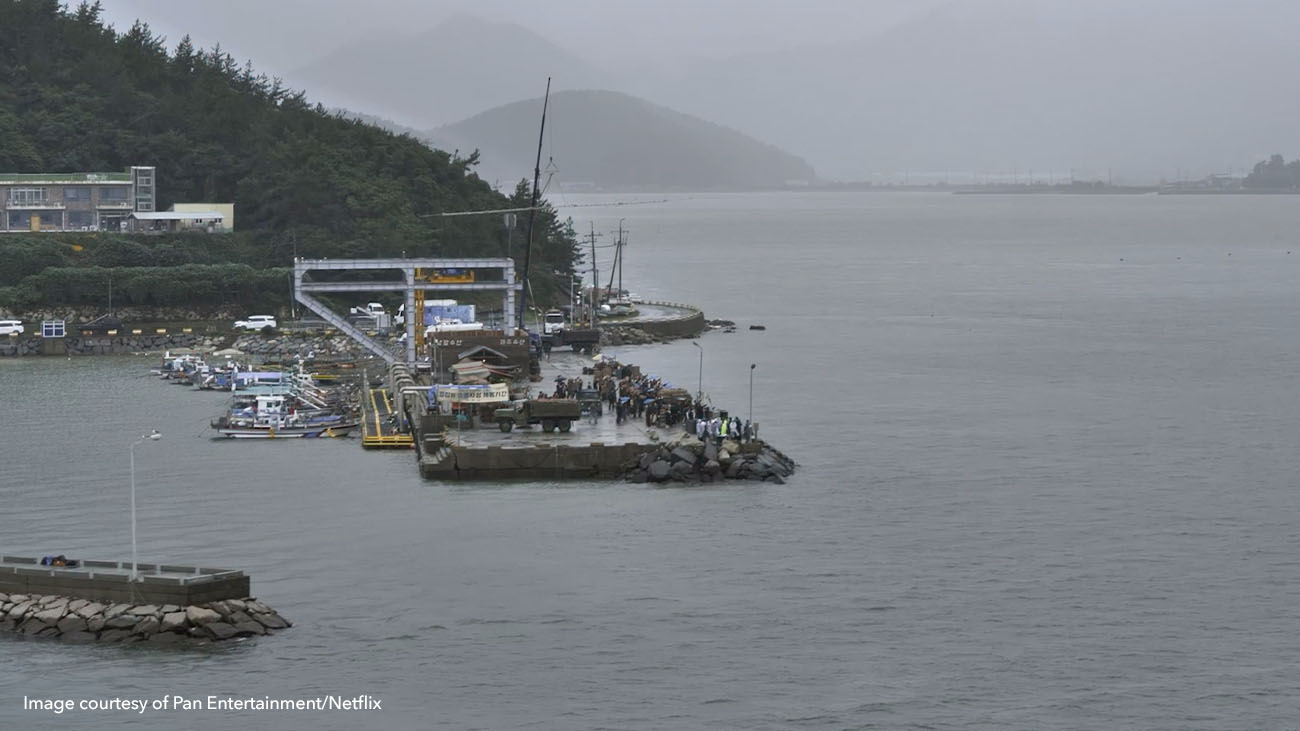
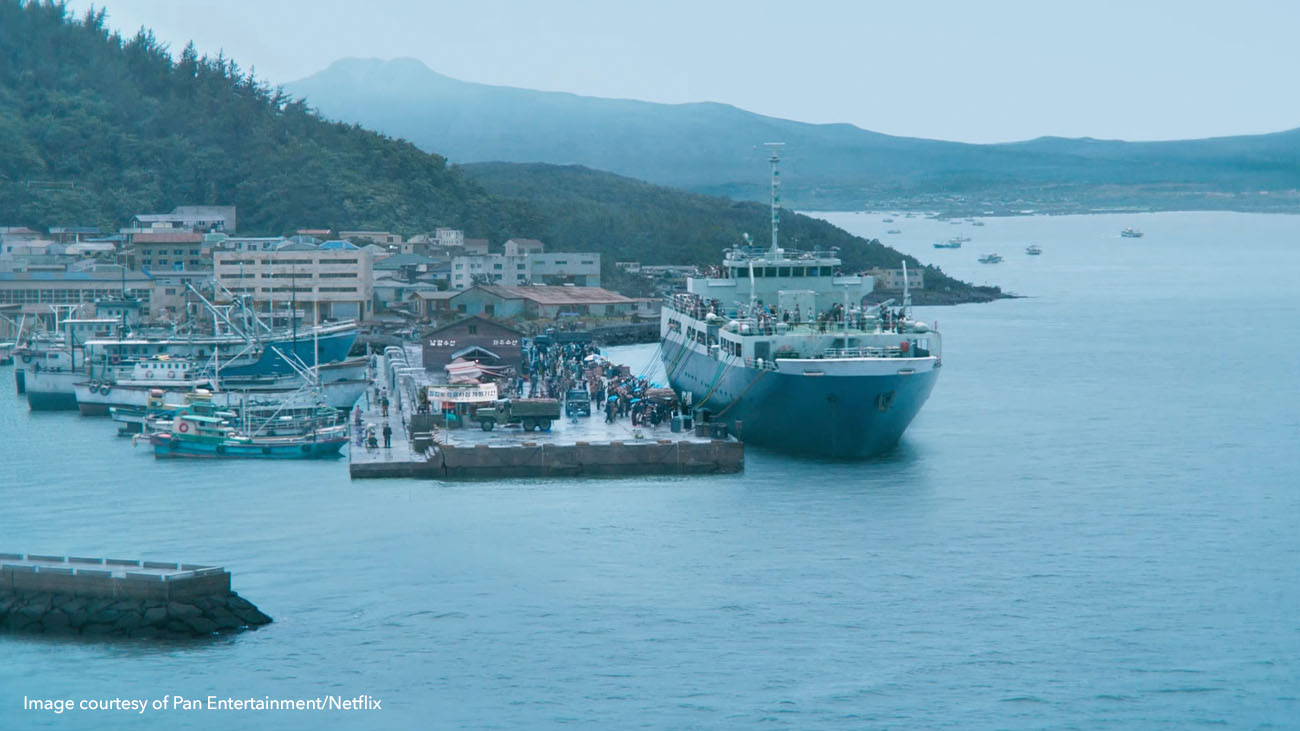
They also collaborated closely with the Production Design team, blending their research with digital assets to achieve a highly authentic visual reconstruction. What’s more, scouting locations on the island enabled the team to discover Jeju’s hidden side, taking inspiration from the distinct silhouette of the unique Oreums (volcanic cones), along with the pristine, crystalline water.
Bringing the story together with Nuke
With accurately reconstructing historical environments being the top priority, a blend of 3D assets and extensive matte painting was the most effective approach.
“To integrate and fine-tune these diverse 2D and 3D sources, Nuke was undeniably the most optimal solution,” says Song.
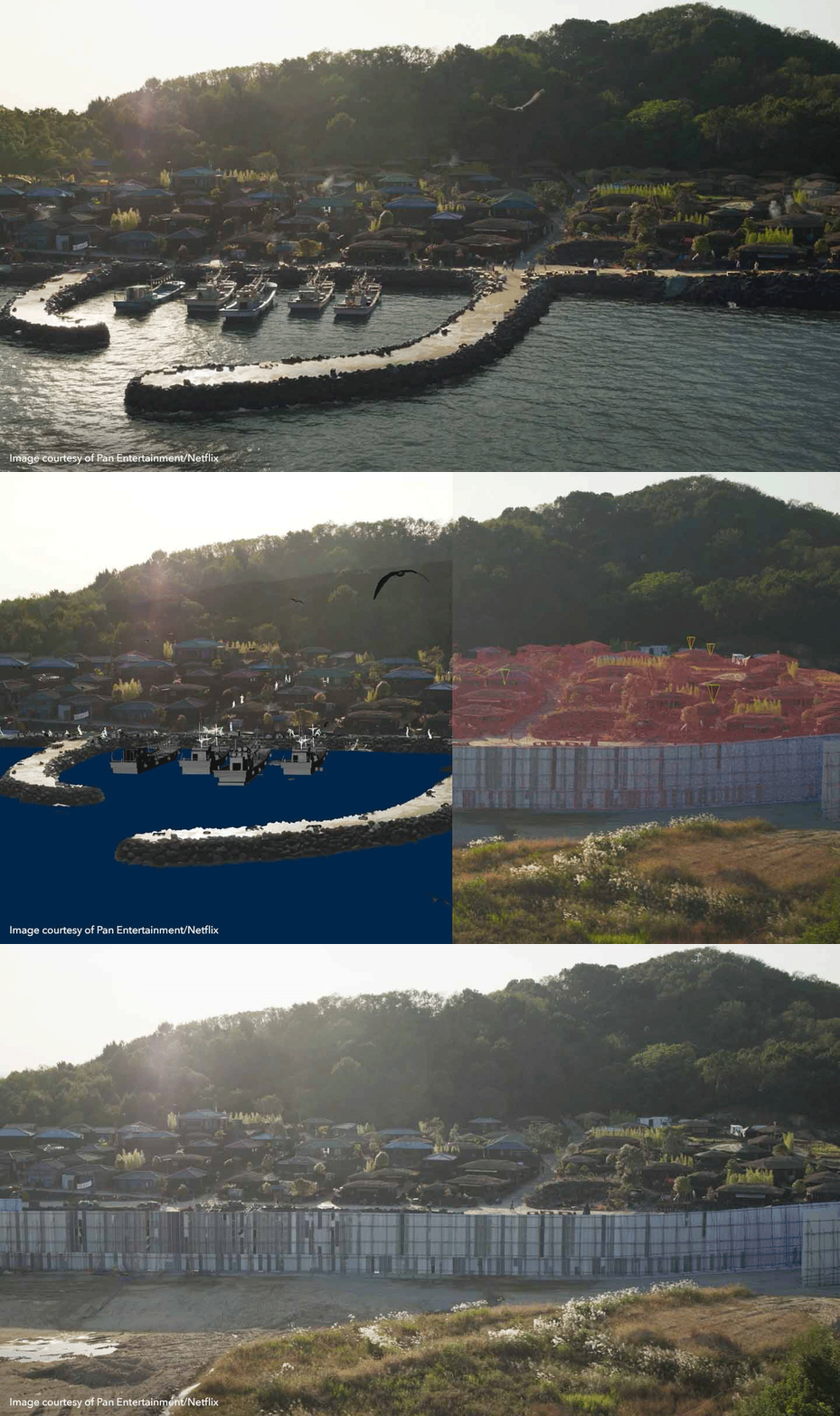
The team used Nuke’s 2.5D projection capabilities across the project to optimize their workflow and enhance visual depth. Song explains: “By applying 2.5D projection techniques via the projection node to our plate extensions and background compositing, we were able to significantly streamline many processes that would traditionally necessitate full 3D rendering.
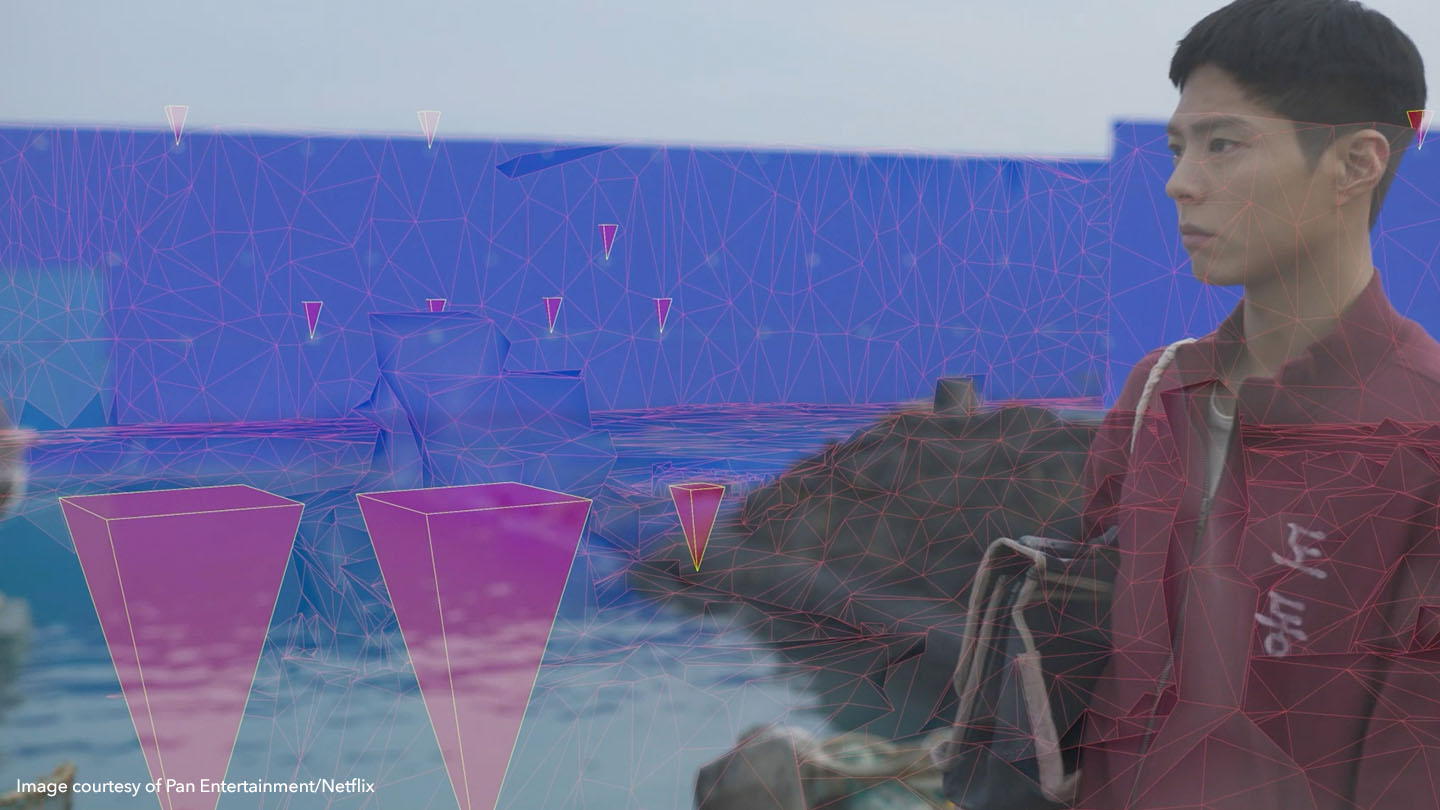
“For our extensive 2.5D workflows utilizing matte paintings, we leveraged Nuke’s advanced tracking technology, which enabled us to efficiently process numerous shots without the need for traditional matchmove.”
Crafting a consistent aesthetic
By implementing an ACES pipeline, M83 ensured that both 2D and 3D artists operated within a unified color space, maintaining a synchronized look throughout the entire show.
“Nuke’s node-based architecture facilitated seamless consistency in color and tone, even when multiple artists were working on different shots within the same sequence,” says Song.
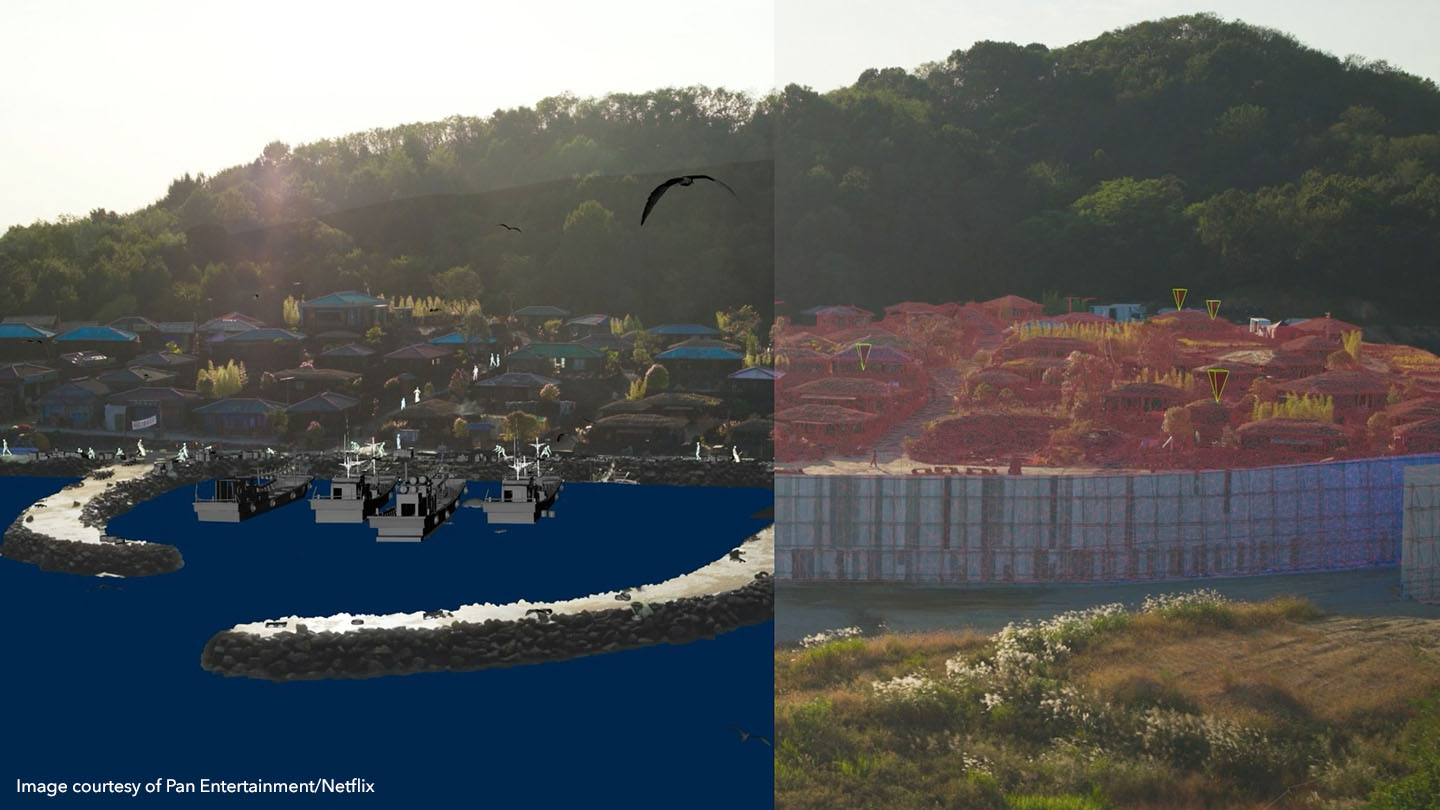
For the actual production workflow, the team performed camera tracking based on the original plates and then projected the required assets onto cards or geometry to reconstruct the scenes.
“This approach enabled us to achieve stable and realistic parallax effects within a condensed timeframe,” says Song. “It also gave us the flexibility to adapt to various requirements — ranging from simple background replacements to subtle re-composition and expansive environment extensions.”
Building challenging maritime scenes
One of the most complex elements of the When Life Gives You Tangerines VFX was recreating Jeju’s diverse maritime environments. Capturing the sea across a vast spectrum of conditions — day and night, overcast and clear skies — presented a huge challenge, both in terms of the sheer volume of shots, and the technical complexity needed to maintain high-quality visuals.
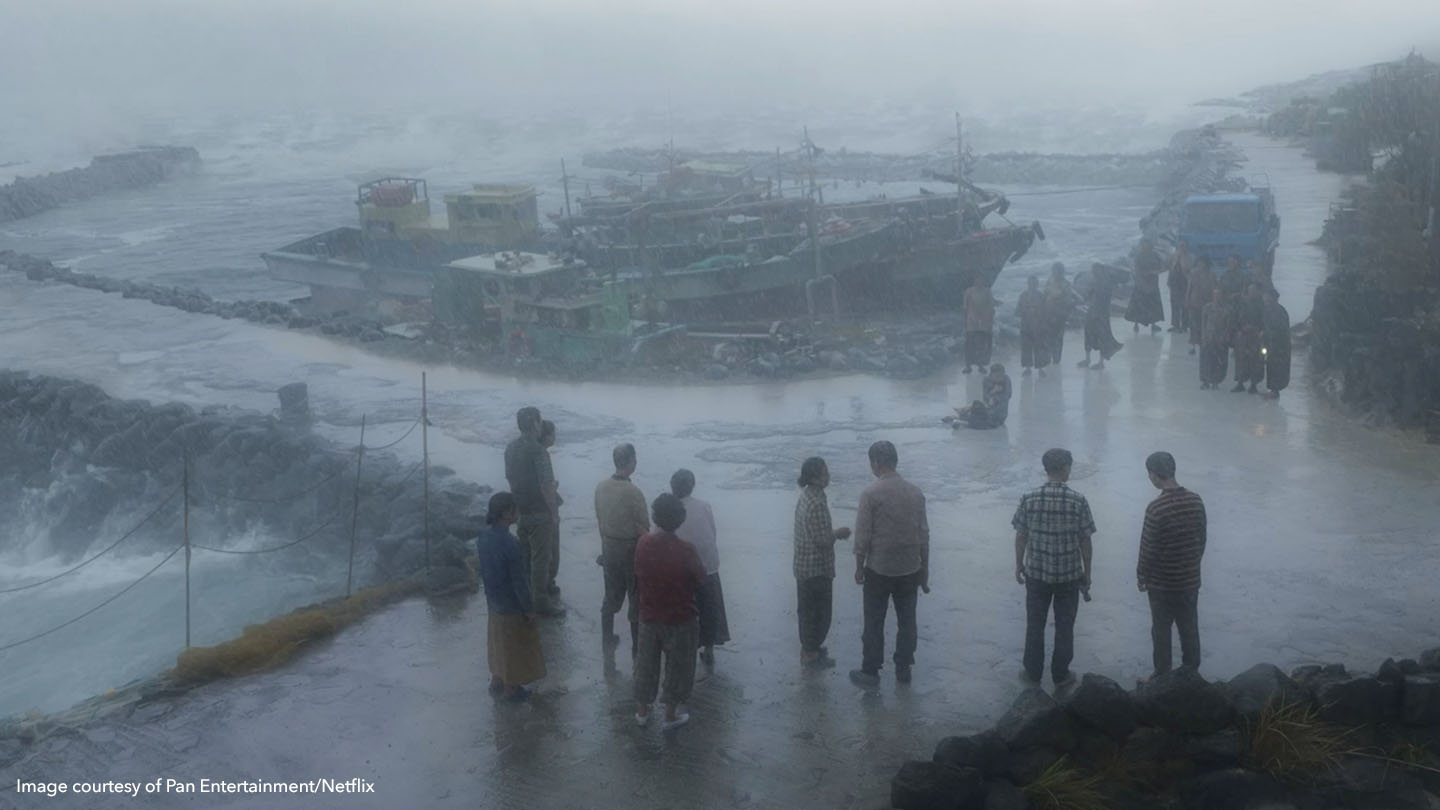
The show’s storm sequence was particularly challenging. While the drama is a work of fiction, it’s deeply rooted in historical facts, including the specific weather conditions of the time. With no archival footage for the show’s historically accurate storm sequences, the team turned to references based on typhoons of similar intensity. The scenes featuring crashing waves were critical, as they involved water physically flooding the open set and interacting with the actors.
“To execute this, we collaborated closely with the Special Effects (SFX) team, precisely calculating the timing and volume of water to ensure a seamless integration with our digital work,” says Song.
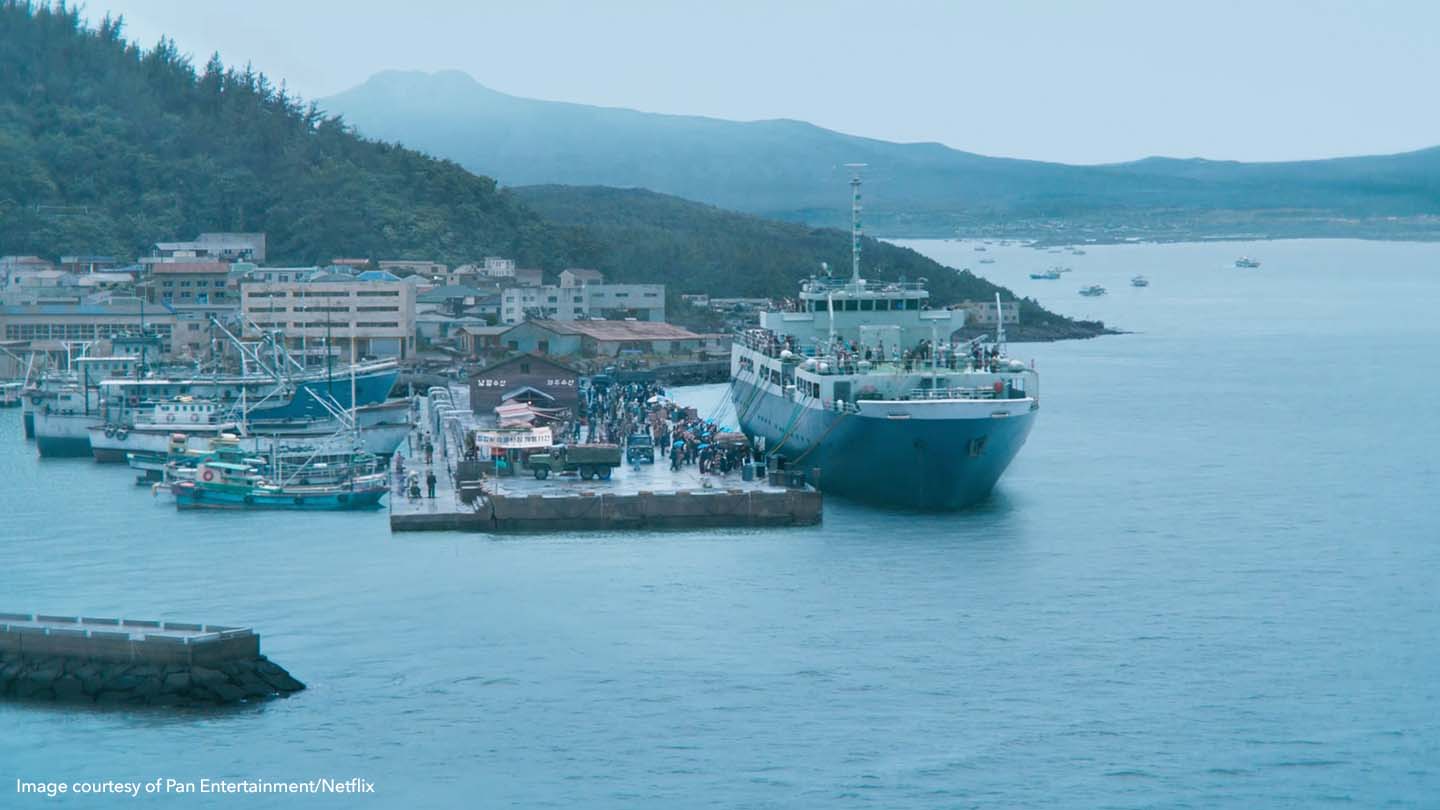
While precarious and menacing, the scene also serves as the backdrop for the story's biggest tragedy. It also highlights the impact that VFX can bring to storytelling, even in a drama firmly rooted in the real world.
“Following extensive consultations with the director, we choreographed the escalating turbulence of the sea to mirror the characters' heightened emotional turmoil, making the psychological impact even more palpable,” explains Song.
Check out the M83 When Life Gives You Tangerines VFX breakdown:
Watch When Life Gives You Tangerines, only on Netflix.
Want to find out more about how Nuke can help to elevate your projects? Check out our latest Nuke tutorials on Foundry Learn.