How Pixar created a unique aesthetic for each episode.
Win or Lose is Pixar Animation Studios’ very first episodic series, with each installment showcasing a unique visual style. The eight-part animation revolves around a middle school co-ed softball team called the Pickles, with each episode showing a different character’s perspective of the same events.
Christos Tzeremes, Senior Lighting Artist at Pixar Animation Studios, told us about how the studio used Katana to support the new approach required by the multi-episode project.

Dealing with the scale of an episodic animation
The episodic format of the Win or Lose meant that the shot count was far higher than it would be on a typical animated feature, especially for a lean team. This meant that they had to be strategic from the start, focusing on improving render speed to stay on schedule. This approach included everything from simplifying materials and reevaluating shader complexity, to optimizing fur setups, and reducing unnecessary detail where it wouldn't be noticed on screen.
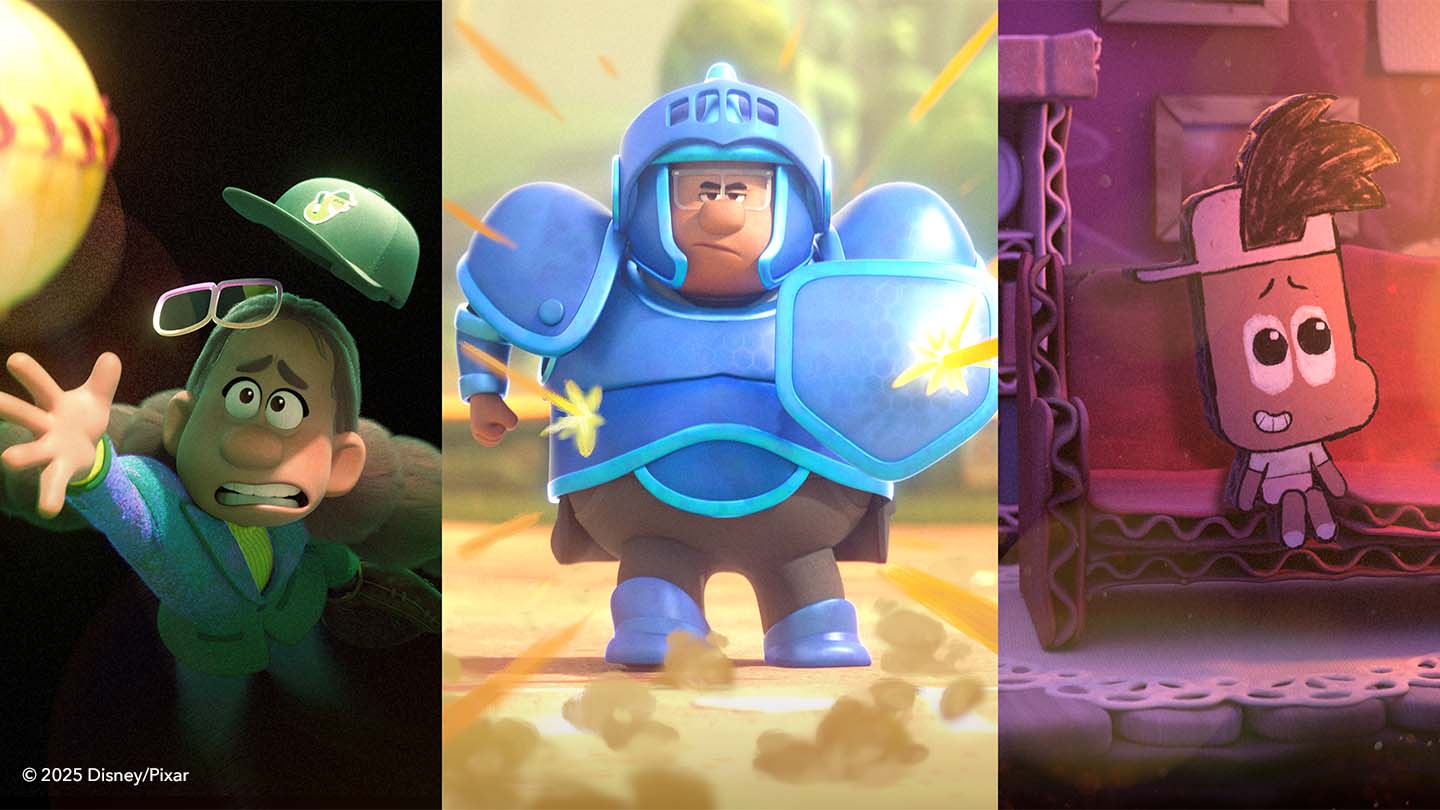
“We leaned into Katana’s strengths,” says Christos. “Templated lighting, deferred loading, and multishot workflows helped us streamline our process and reuse work intelligently. All of this allowed us to manage the shot volume without sacrificing visual quality.
“Katana enabled us to build complex lighting setups that were easily shareable and updatable across multiple episodes. We could light scenes in parallel, reuse set rigs, and make broad changes without breaking individual shots. That meant we were able to focus our time where it mattered most: crafting the mood and emotion of each moment.”
Win or Lose lighting: Creating a cohesive look
Another challenge on Win or Lose was creating a cohesive lighting aesthetic across the series, while giving each episode its own distinct look. Art direction set the tone for each chapter’s unique perspective, including everything from a lonely child’s vibrant imagination, to a teenager’s emotional world unraveling. The lighting team worked closely with the directors and art team to understand the emotional goals of each story and to ground those ideas in lighting to support the storytelling.
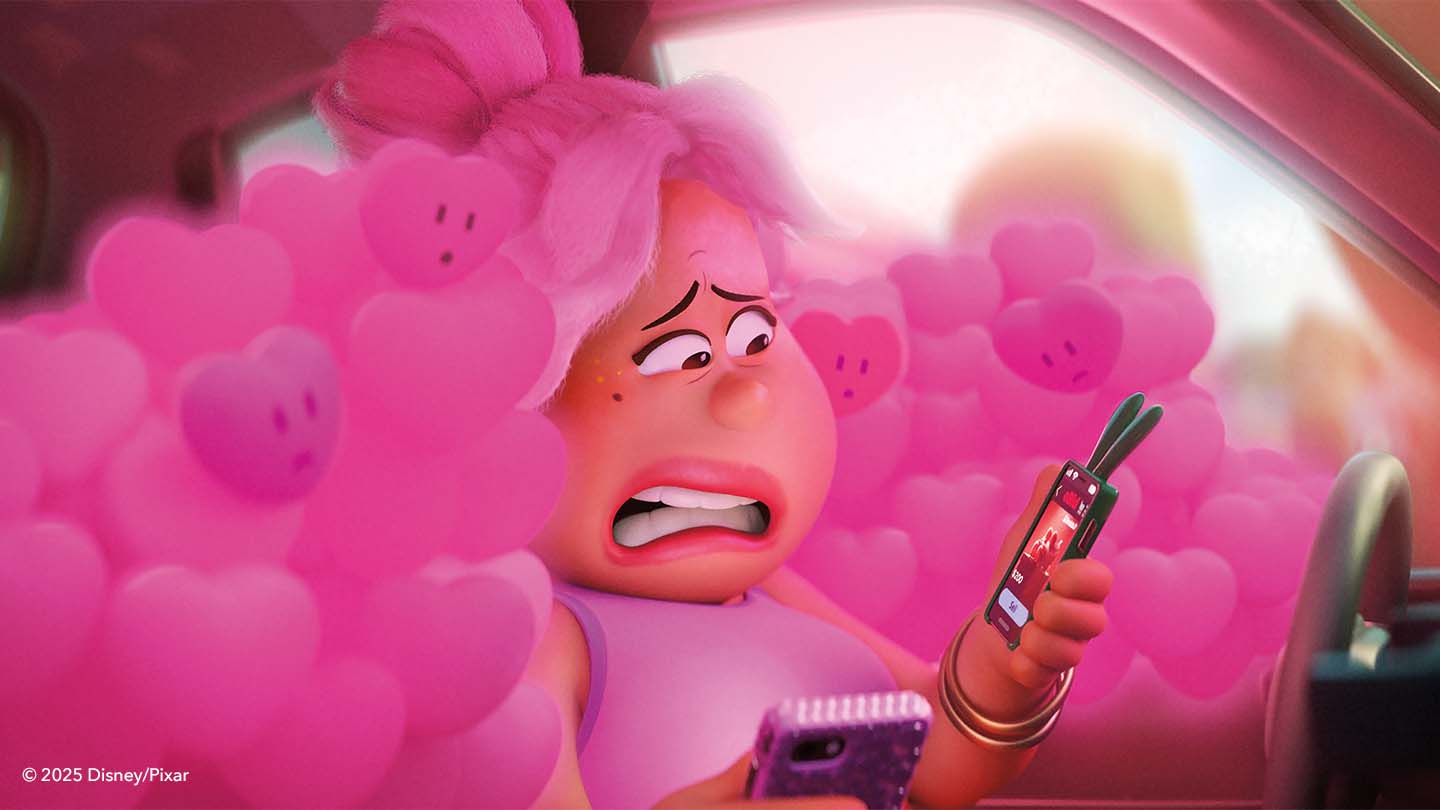
“One of the key advantages we had was a highly efficient rendering pipeline, which allowed us to iterate quickly and show work early and often,” says Christos. “That helped ensure alignment with the art direction while still giving us room to explore different stylistic approaches.”

Building a complex shot
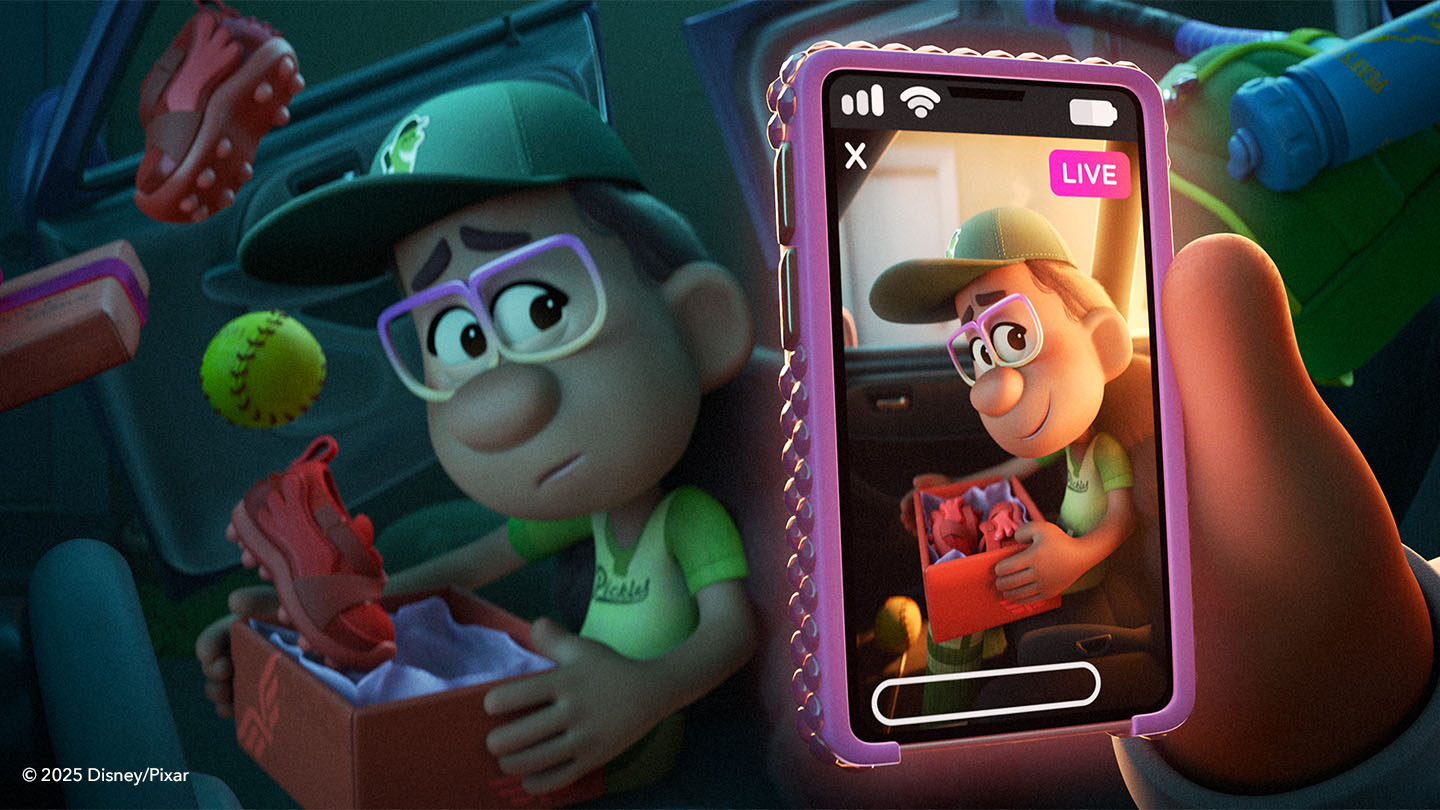
In one particularly complex scene, the team’s catcher, Rochelle, moves back and forth between her kitchen table at home, and her school bathroom stall ‘office’, within a single shot. Both environments were fully built and lit, with the seamless transitions between them happening on-camera, multiple times.
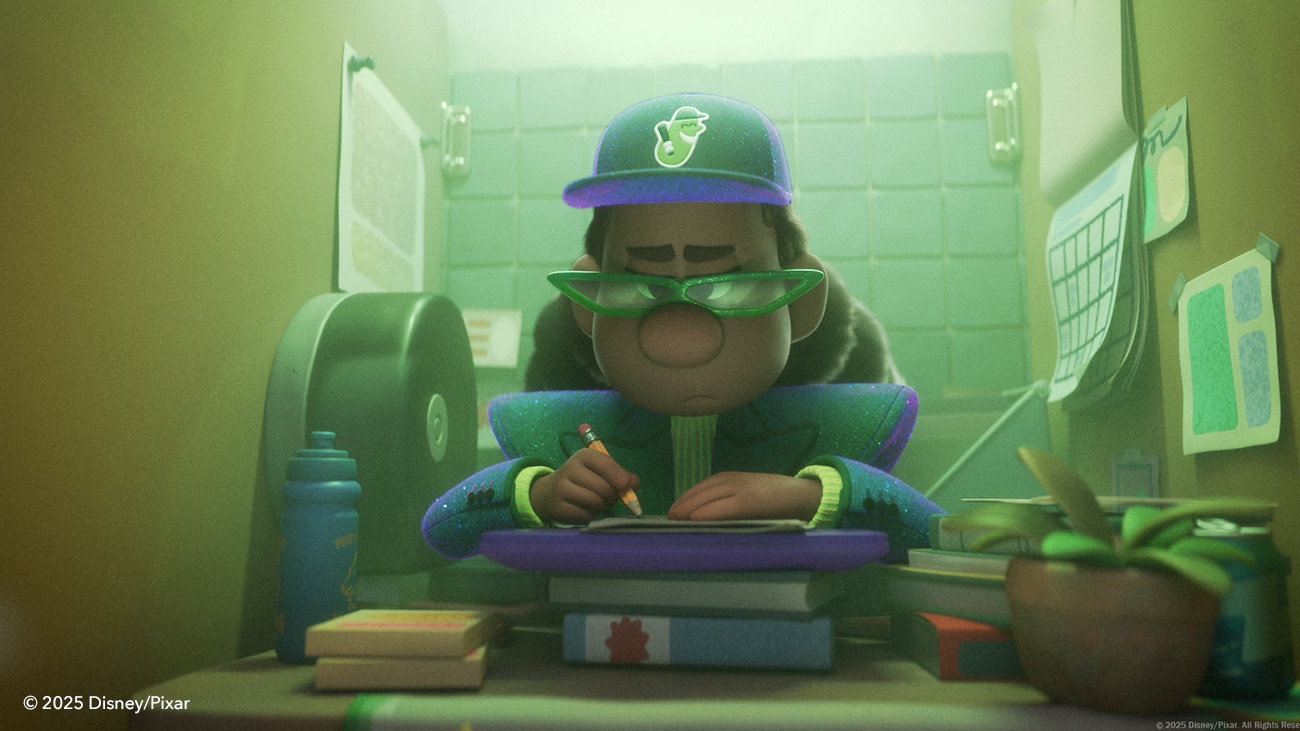
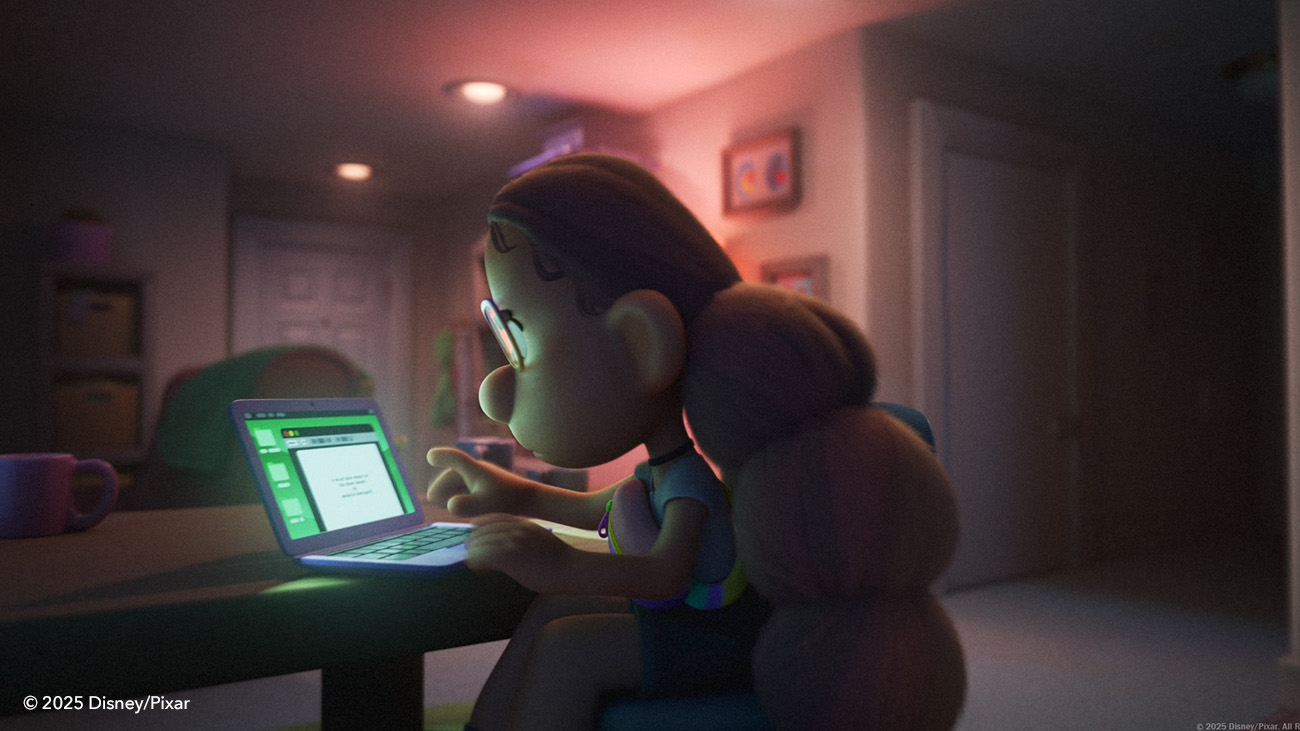
“We used Katana’s LiveGroups to manage each set as its own modular unit, with independent lighting setups, overrides, and logic,” says Christos. “That allowed us to iterate on each space in isolation while still keeping the full shot intact. When changes came in — whether from layout, assets, or lighting tweaks — we could update one environment without affecting the other. It made an otherwise very complex shot much more manageable and kept our workflow clean and efficient.”
Giving artists more time to be creative
An efficient workflow was absolutely key to the success of Win or Lose, ensuring that the artists had enough time to bring their creativity to the shots. For example, on sets that were featured at multiple times of day, Pixar used Katana’s VariableSet to pre-light them for morning, afternoon, evening, and night. This meant that the lighters could simply select the appropriate preset and immediately begin focusing on mood, storytelling, and character lighting, rather than having to build each setup from scratch.

“VariableSet enabled us to maintain consistency, while still giving artists the flexibility to shape the lighting based on the emotional needs of the moment,” says Christos. “It saved a huge amount of time, especially across a show with a high shot count and frequent context shifts.”
Pixar also made use of Katana’s LiveGroups to light entire sections of sequence with a single unified lighting setup, rather than loading multiple shots individually. Christos explains: “LiveGroups were especially helpful in managing complex sequences where maintaining visual continuity was critical, and it saved significant time compared to lighting shots in isolation.”
Managing complexity on Win or Lose
With so many different aesthetics across multiple episodes, dealing effectively with the complexity of the project was vital.
“Deferred loading in Katana was a huge win,” says Christos. “It enabled us to open and work in scenes without immediately pulling in heavy geometry. This kept load times fast and the interface responsive, even when dealing with dense sets or complex environments.”
The team also made use of Interactive Render Filters (IRFs) to limit the renderer to only what was needed, helping them to push iteration speed even further.
Katana’s USD integration also played a vital role in managing the complexity and scale of the show, providing a flexible, layered way to organize assets. This enabled artists to pull in updates from other departments, like layout changes or animation tweaks, without interrupting their lighting work.
“Because assets were assembled modularly, we could easily swap or adjust individual elements in Katana without disrupting the entire scene,” explains Christos. “This made collaboration smoother and helped keep our lighting pipeline responsive and efficient throughout the fast-paced production.”

Adding detail with Nuke
For Win or Lose, the team relied on Nuke to apply consistent compositing adjustments across multiple shots using Template Scripts and Gizmos. The compositing tool’s immediacy enabled the artists to test image and look adjustments quickly, which was invaluable for experimenting with color, lighting effects, and depth before committing changes back into the lighting pipeline.

Nuke was also used to add atmosphere to the image, including fog, film grain, and more — all elements that would have been too time-consuming to render practically.
“Using Nuke for these elements gave the final images a richer, more nuanced feel while keeping render times manageable,” says Christos. “It also enabled us to respond to late creative notes efficiently without having to relight shots, saving significant time.”

Episodic animation: A first for Pixar
As Pixar’s first episodic animation, Win or Lose required a totally different approach to that needed for a full-length film. On animated features, artists regularly spend weeks refining individual moments whereas on this project, they had to think about the overall look across episodes, and move quickly.
“That meant building strong templates, relying more on systemic lighting solutions, and trusting our tools to do the heavy lifting,” says Christos. “Katana adapted well to that shift. The software’s modularity and flexibility made it feel like we weren’t compromising on creativity, even with tighter timelines.”
Want to know how Katana can support your projects? Find out what’s new in Katana 8.0.