How Spade&Co. built a production workflow around Nuke Studio
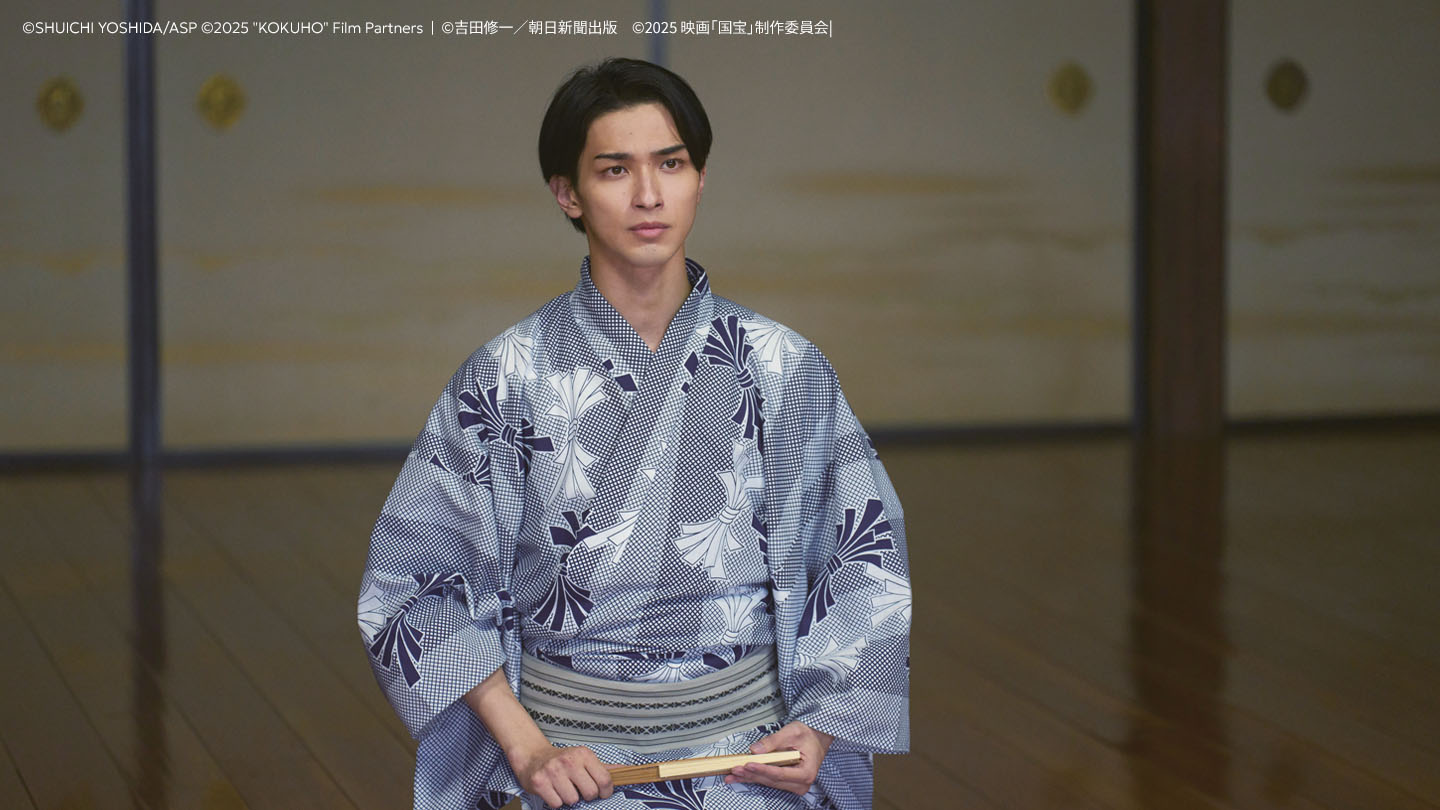
Set against the vibrant backdrop of the kabuki stage, Kokuho delicately portrays the beauty and struggles of those who devote their lives to this classical Japanese performance art. The film’s imagery — woven from fleeting light, delicate color shifts, and the faint tremor of air — quietly reveals the sacredness and fragility at the heart of Japan’s traditional culture. Director Lee Sang-il’s meticulous aesthetic and the VFX team’s technical mastery merge seamlessly, culminating in breathtaking imagery and a lingering emotional resonance.
The main VFX vendor for the film was Spade&Co., who built an integrated workflow centered on Nuke and Nuke Studio. To find out more about the production of the film, we spoke with VFX Supervisor Tetsuya Shiraishi.
Kokuho VFX : Preserving the ‘beauty of light and air’
“At Director Lee’s set, you could feel a deep commitment to every detail — art direction, lighting, composition, texture,” says Shiraishi. “One of our biggest priorities, as the VFX team, was preserving the ‘beauty of light and air’ captured on set and carrying it through to the final composite.”
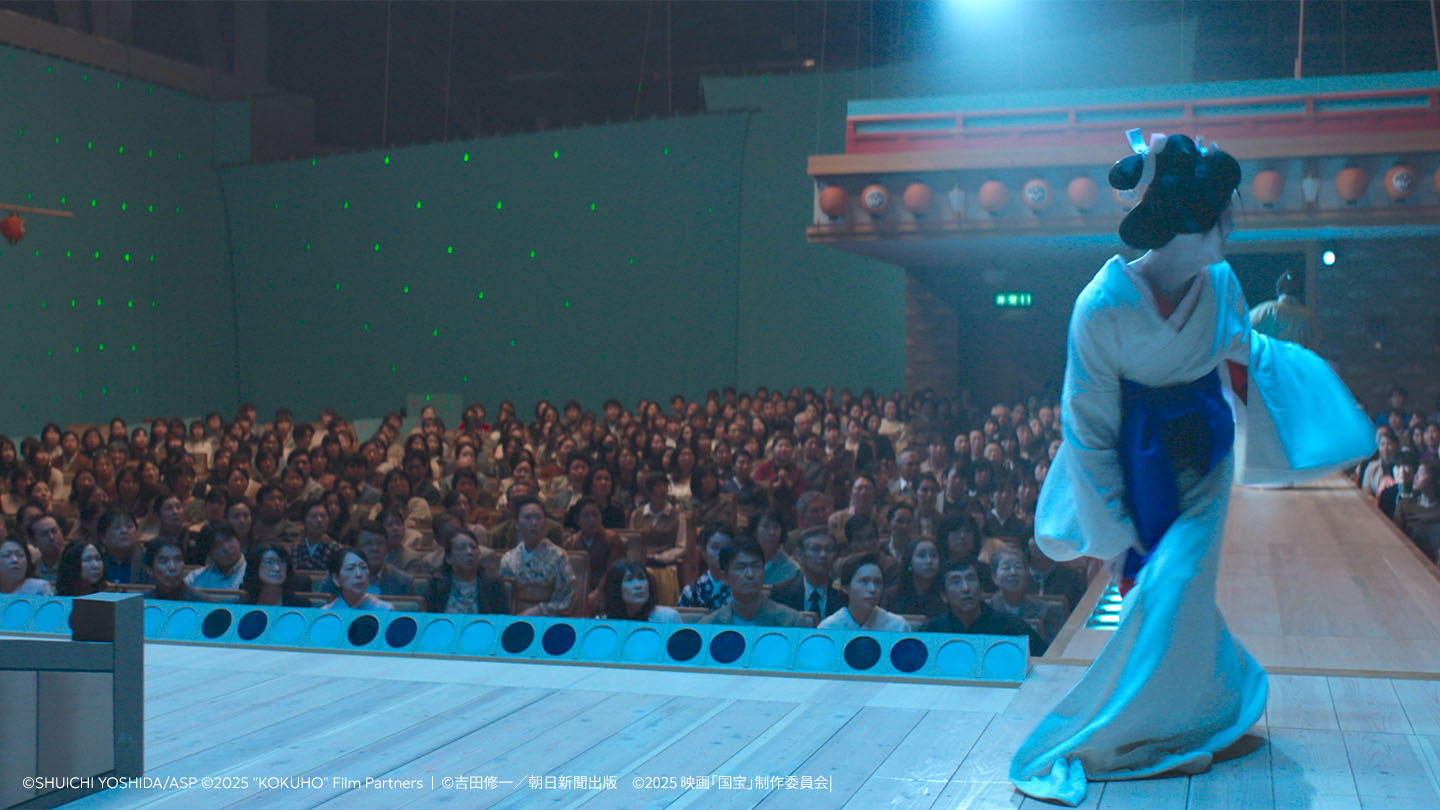
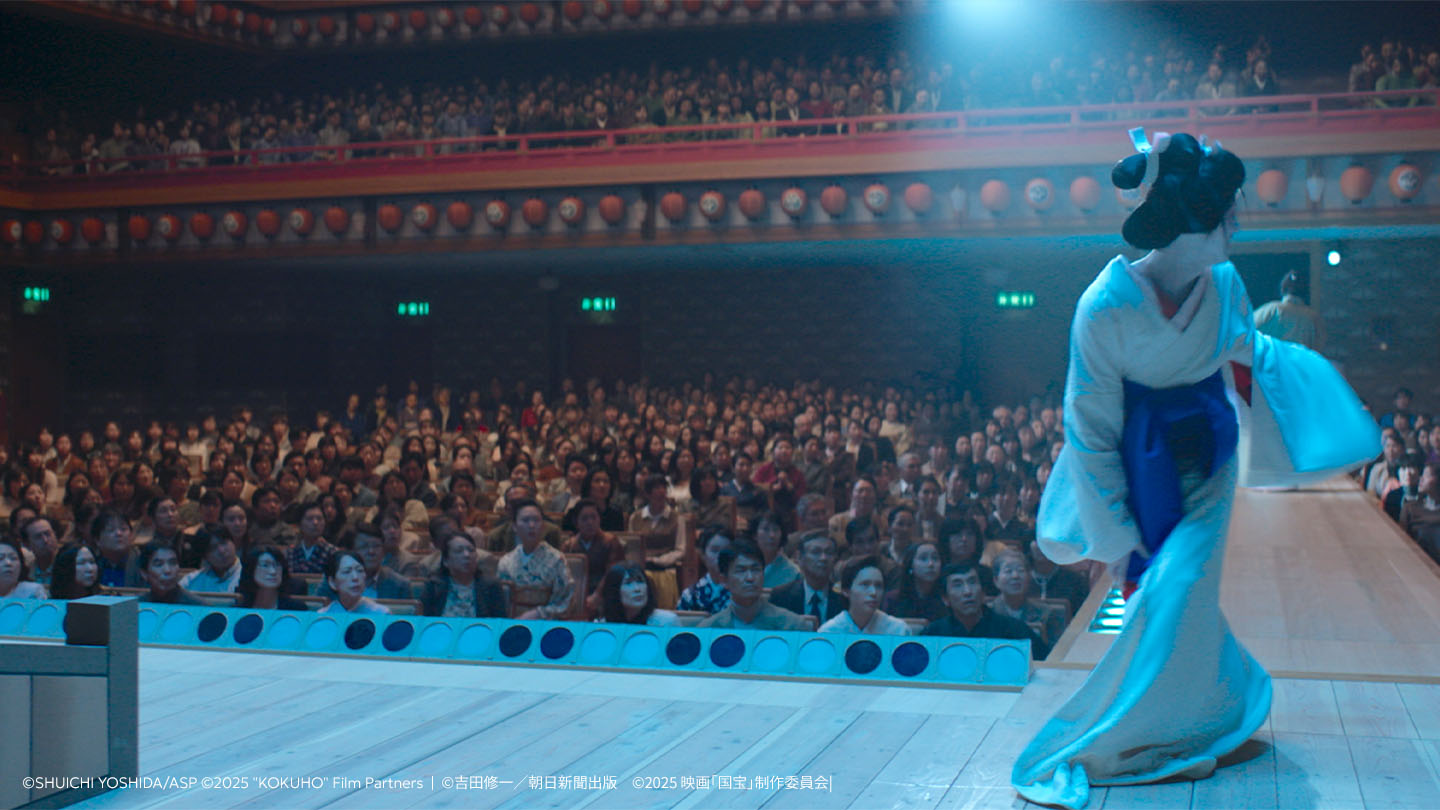
Spade&Co.’s work spanned a wide range of elements — from set extensions for the kabuki theater and CG audiences, to period-accurate environment reconstruction, character aging effects, emotion-reflective imagery, and the look development of the fantastical world that the protagonist Kikuo reaches in the final scene.
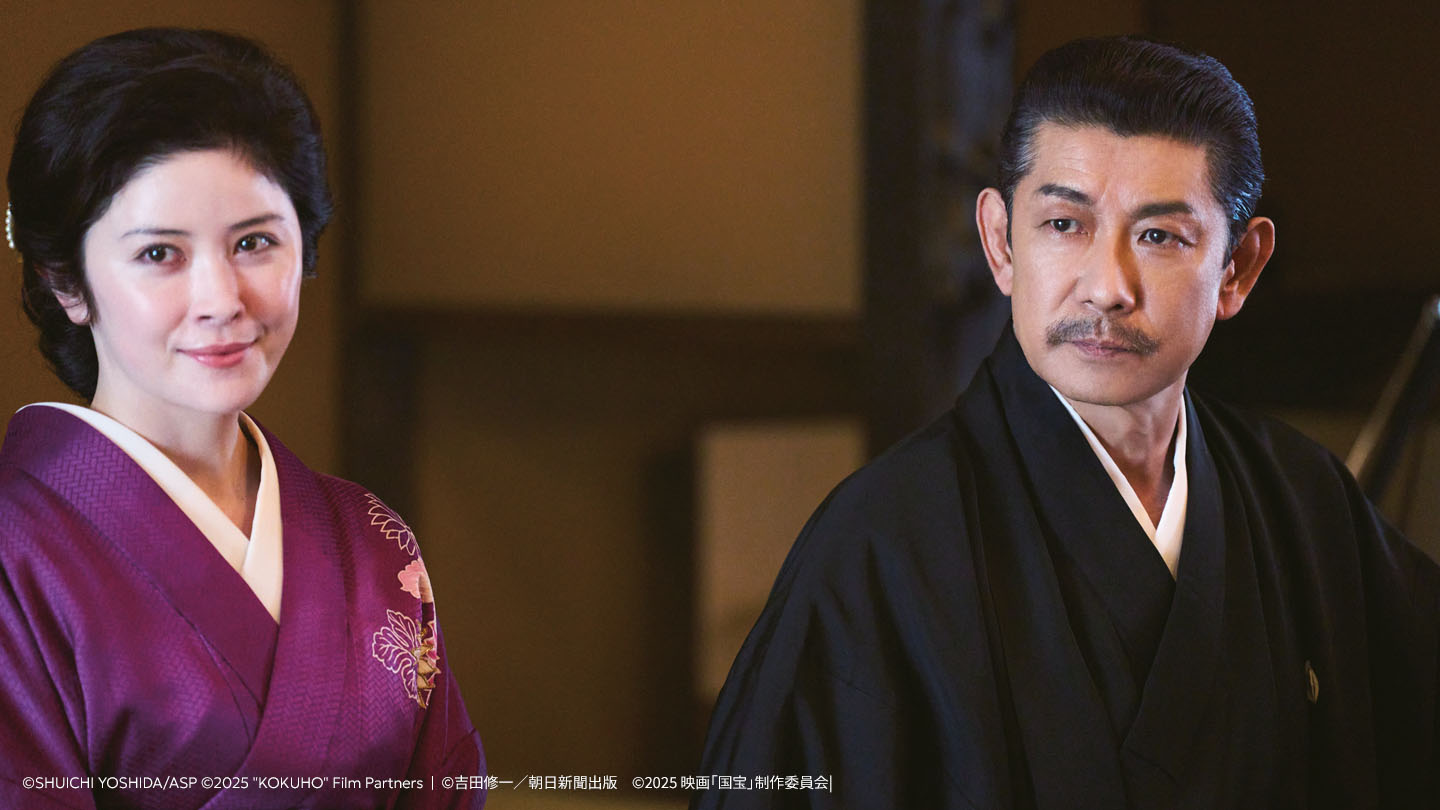
“Our goal was to expand the live-action world without disrupting its aesthetic, and I believe we were able to strike a balance between invisible, natural VFX and genuine cinematic beauty,” says Shiraishi.
Building an integrated workflow round Nuke Studio
Kokuho’s VFX work was completed over roughly six months of post-production. Led by Spade&Co., multiple studios across Japan and overseas collaborated closely, involving more than 80 artists. All shots were managed through an integrated workflow built around Nuke Studio, enabling centralized control across the entire production.
Within Nuke Studio, shot codes and templates were standardized, while file-naming conventions, output paths, color-space settings, and quality-check processes were automated. As a result, artists no longer needed to adjust individual settings, significantly reducing the risk of human error.
“By consolidating naming rules and templates within Nuke Studio, output settings and color-space assignments were automated, reducing variation between artists and greatly improving efficiency,” explains Shiraishi.
Integration with Autodesk Flow Production Tracking (Flow PT), formerly ShotGrid, further streamlined the pipeline. Artists could instantly check the status of their assigned shots, while reviews and revision notes were shared smoothly across teams. Custom Python-based tools enabled the teams to view Flow PT data directly within Nuke scripts, and they were able to consolidate uploads through shared submission tools to prevent inconsistencies or file duplication.
This created a unified workflow capable of managing the entire process from production through final delivery. Which, combined with their automation of repetitive tasks, helped give artists more time and energy to focus on the creative work they enjoy.
Crafting precise spatial expression and light control
Toward the final stages of production, the team encountered a major challenge in the theater set-extension shots. “In the climactic theater sequence, the director noted that the 3D layout appeared too constricted once composited,” Shiraishi recalls. “However, given the schedule and budget constraints, rebuilding the 3D environment wasn’t a realistic option.”
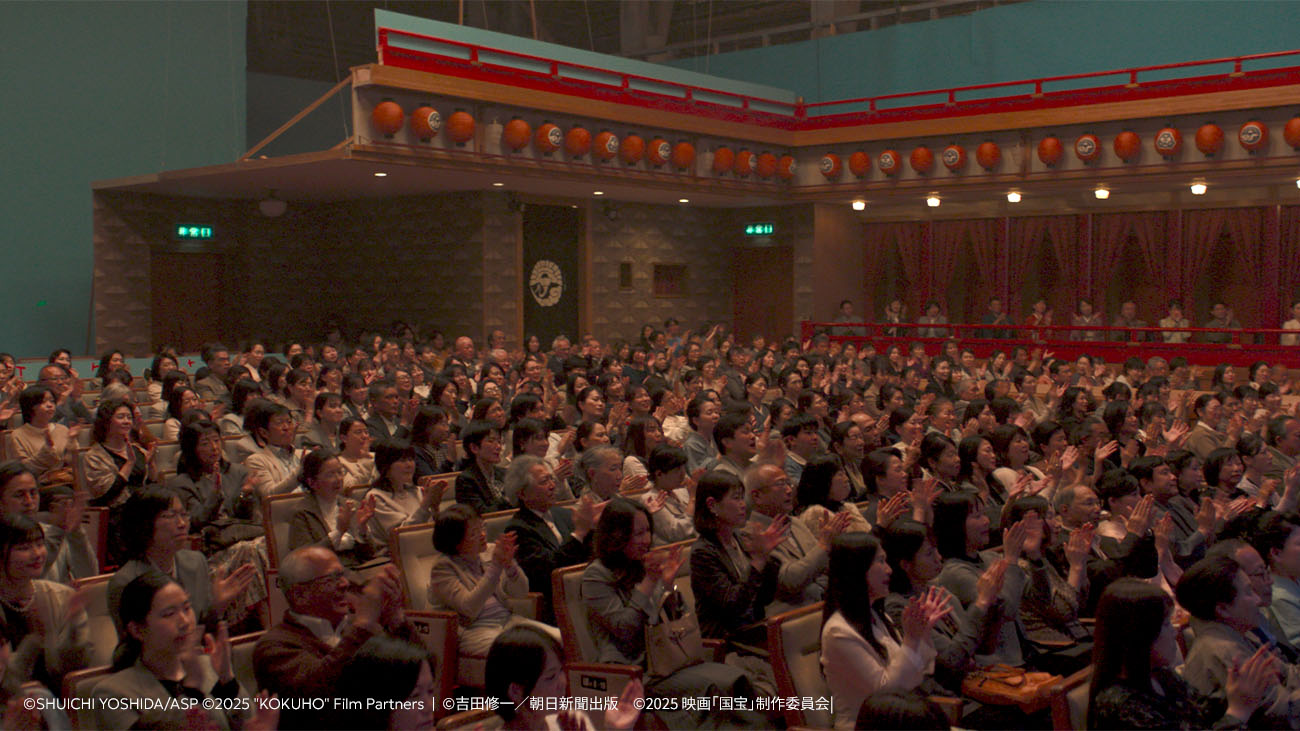
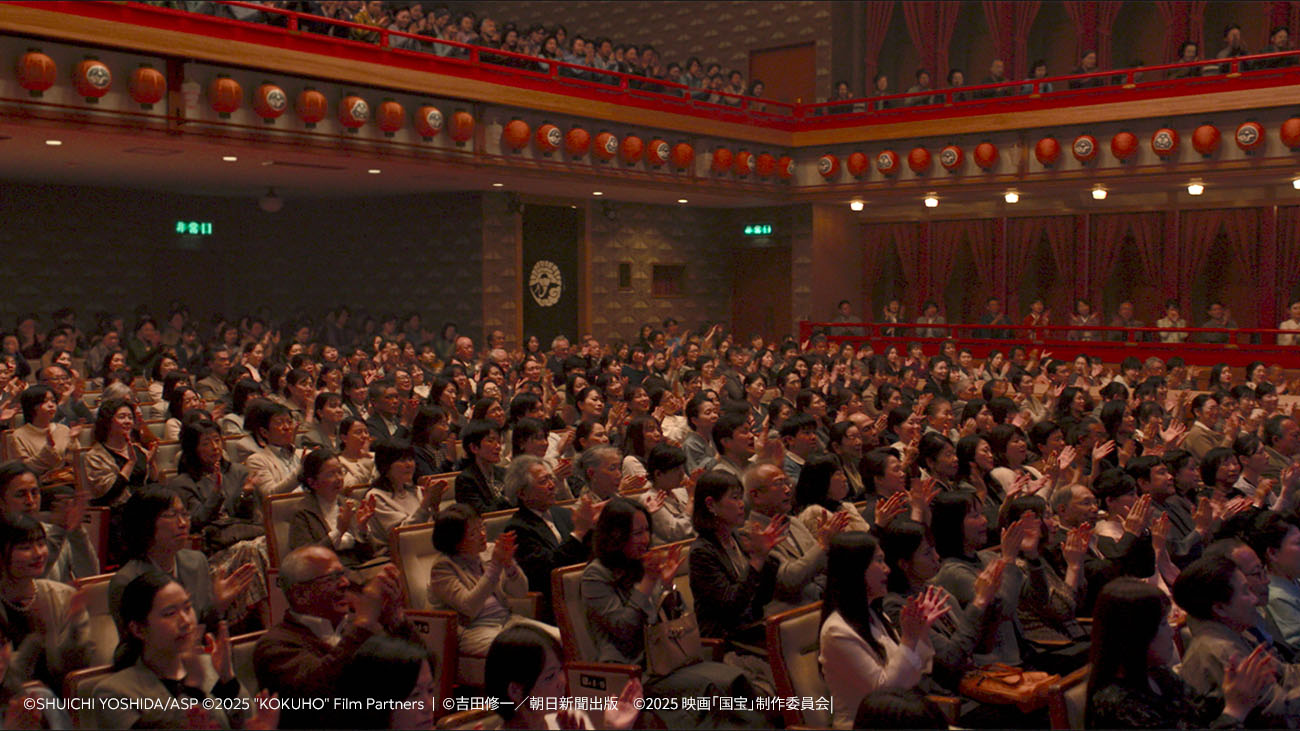
To solve the issue, the team used Nuke to rework the existing 3D elements with 2D and 2.5D techniques, adjusting the layout to recover the intended sense of scale and depth. This approach enabled them to faithfully recreate the spatial impact the director envisioned.
“This was a pivotal scene for expressing the director’s intention and the emotional core of the story, so we refined it through many iterations,” says Shiraishi. “In the end, I believe we achieved a result that offers an even deeper sense of immersion.”
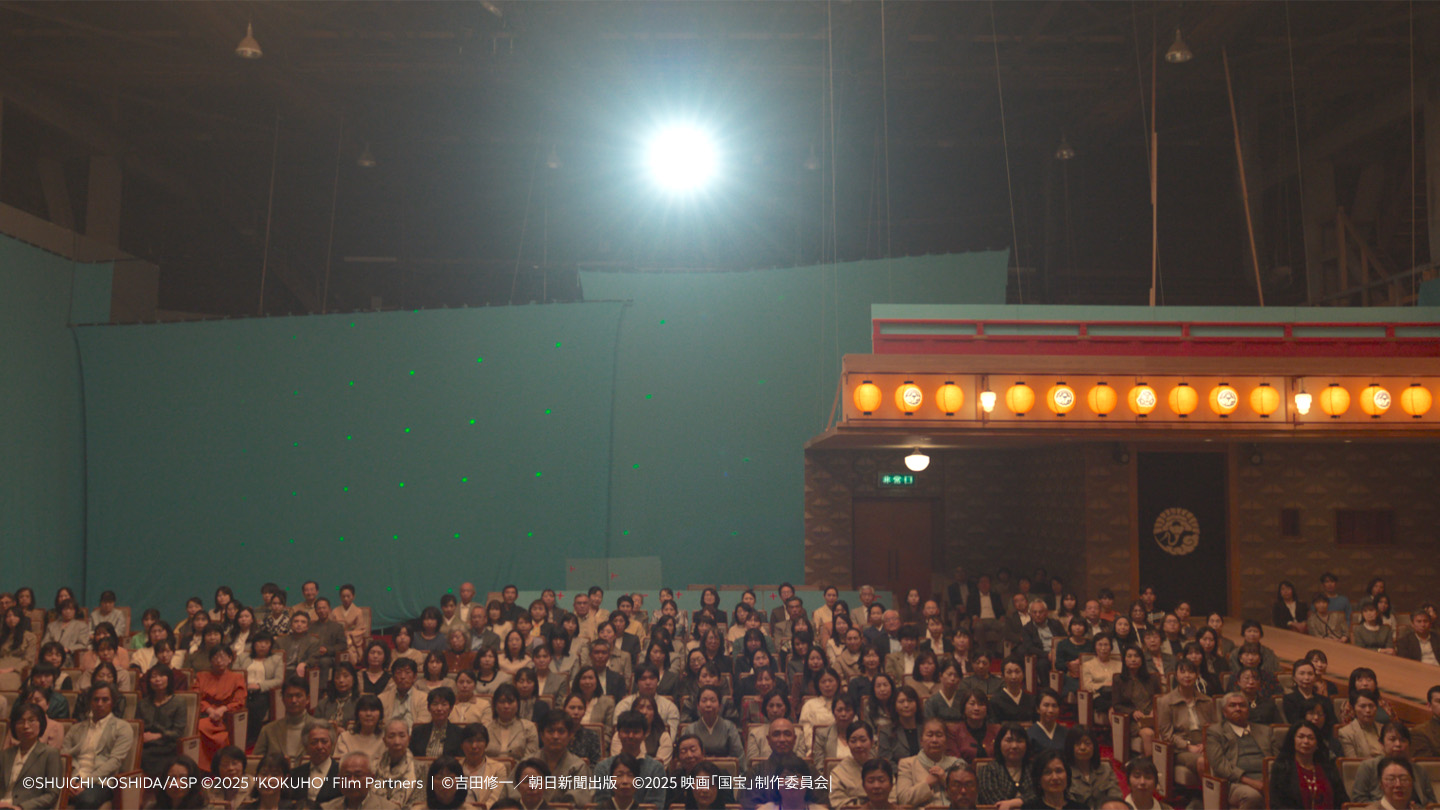
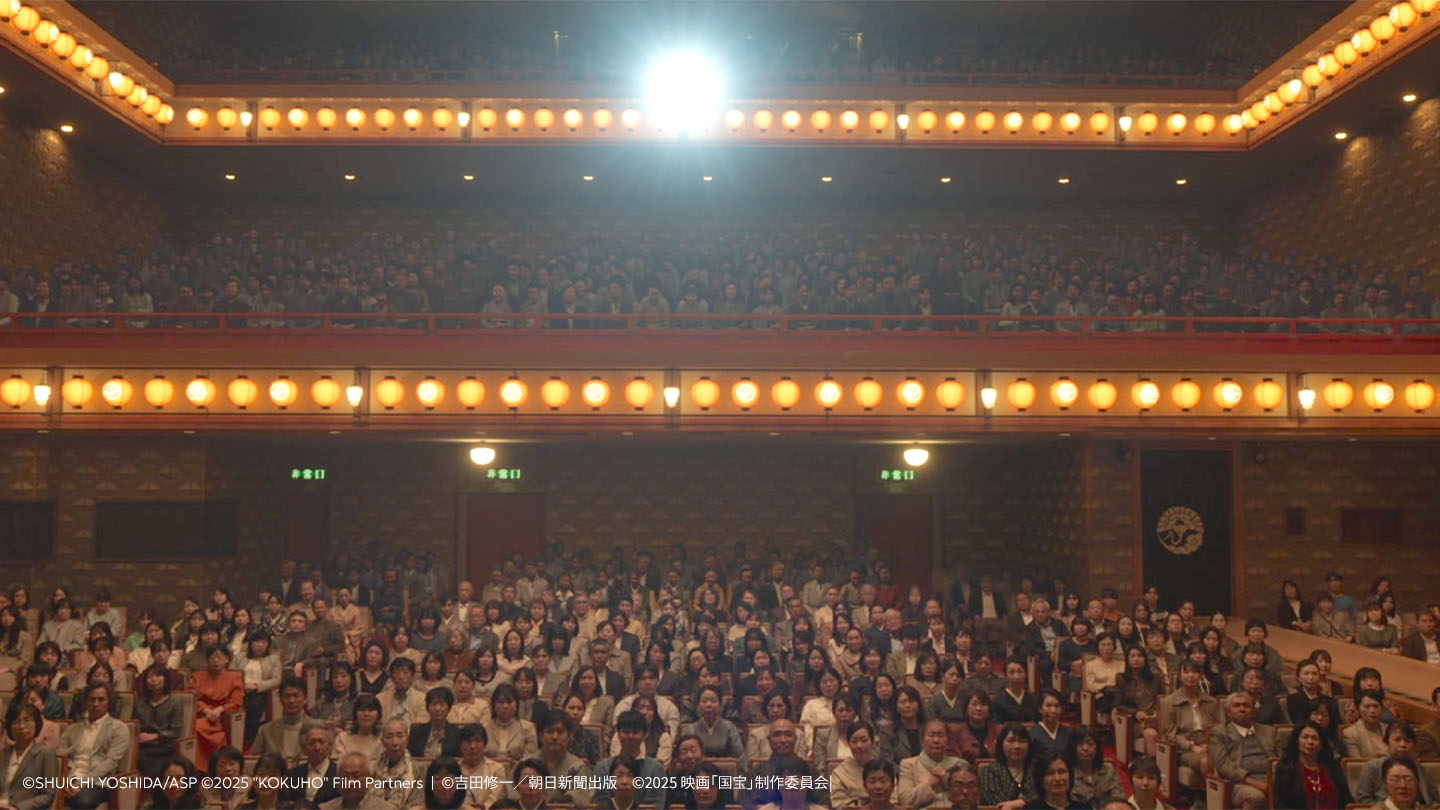
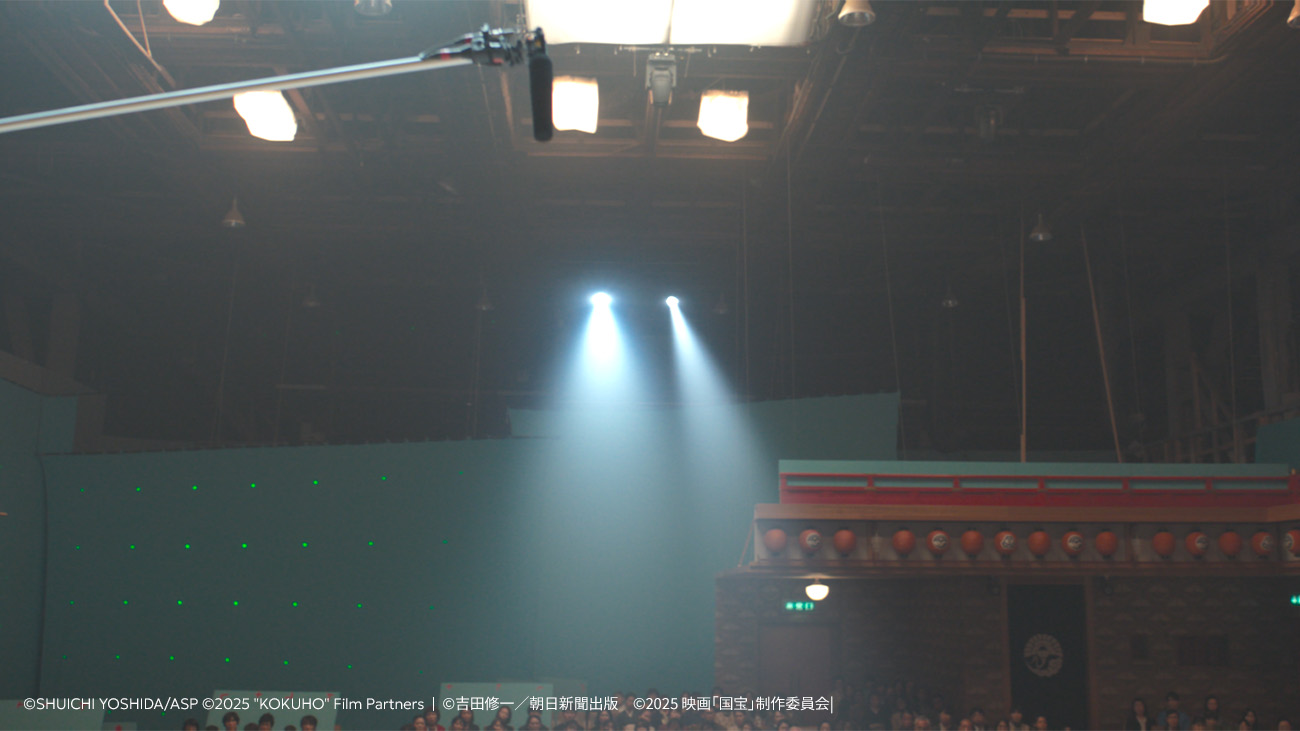
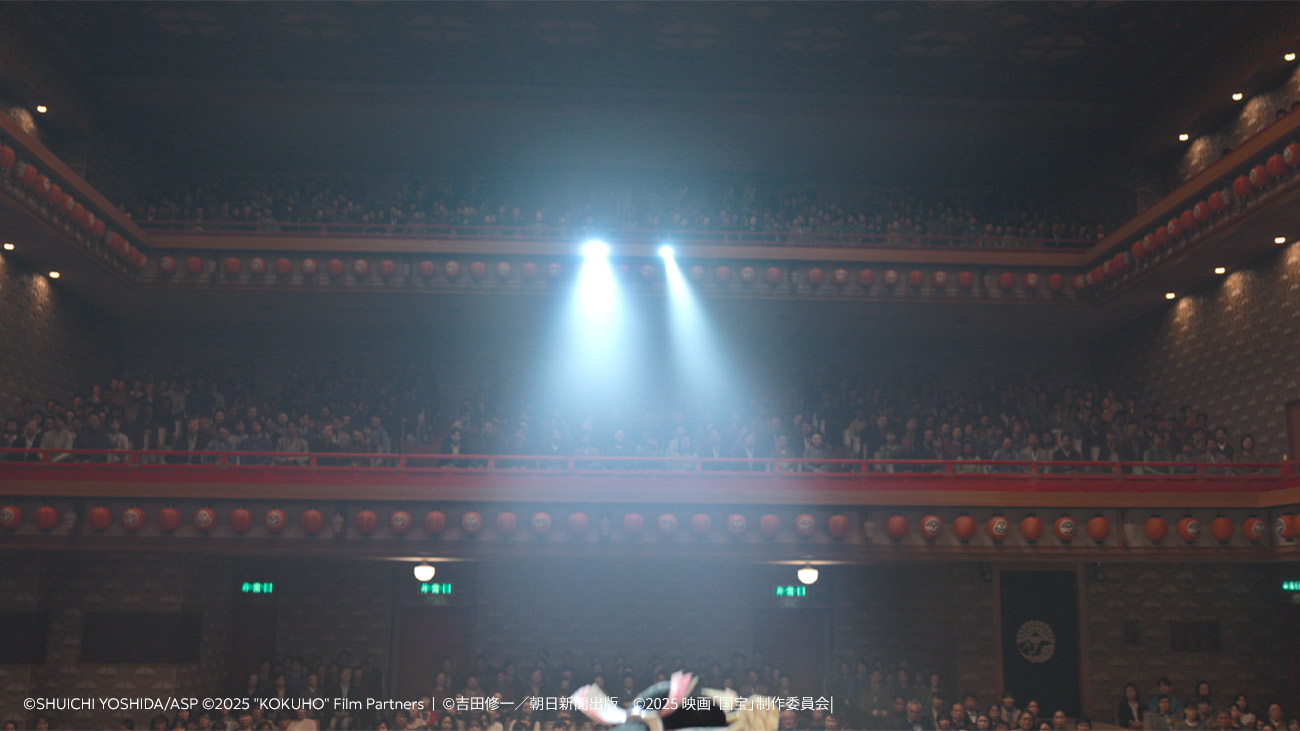
For the theater sequence, each light was rendered in separate passes, meaning the team could fine-tune the lighting directly in Nuke. This made it possible to respond instantly to notes such as “reduce the lighting on the audience side,” without requiring a re-render.
The ability to precisely control subtle nuances of light and atmosphere was crucial in enhancing the realistic stage ambience and theatrical mood of the scene.
Enhancing quality and efficiency with Nuke
For this project, the team adopted an ACES- and OCIO-based color management workflow to eliminate discrepancies between working views, director reviews, and final grading. This enabled them to minimize variations in color and tone, ensuring consistent color management throughout the entire pipeline.
“Thanks to a unified color-management environment, we were able to maintain high visual quality all the way through to final delivery,” Shiraishi explains. “This consistent environment not only stabilized color reproduction across the team but also strengthened communication with the director and grading artists."
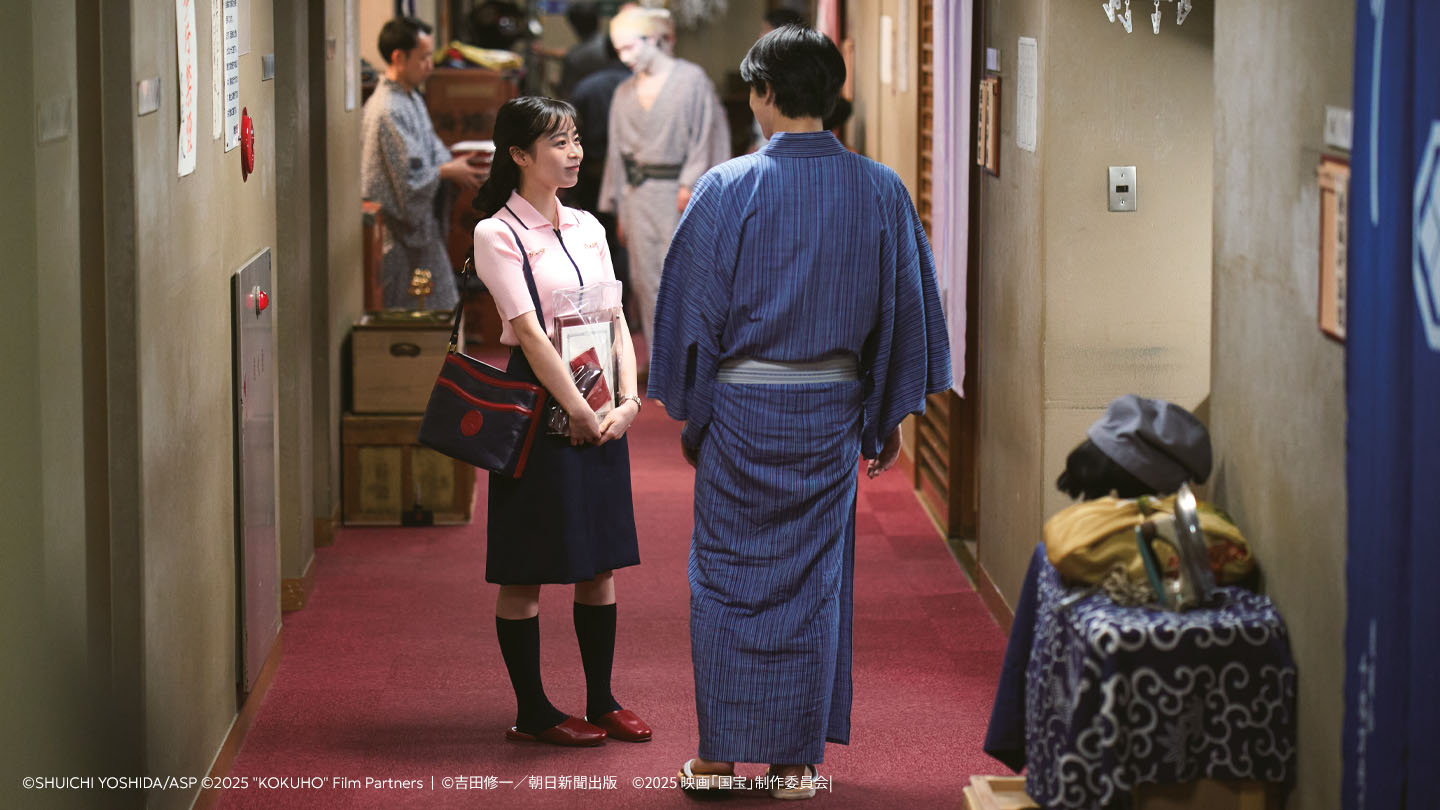
AI/ML features and Python-based tools also played a significant role in the workflow. “Using Nuke’s AI tools like CopyCat and the Cattery, we efficiently generated character mattes and depth maps, which proved extremely valuable for color adjustments and atmospheric enhancements,” Shiraishi says.
Supporting an evolving compositing future
Nuke’s greatest strength lies in its flexible node-based structure and its ability to share precise color management across the entire team,” Shiraishi explains. “This allows the team to handle projects efficiently while maintaining a high degree of flexibility.”
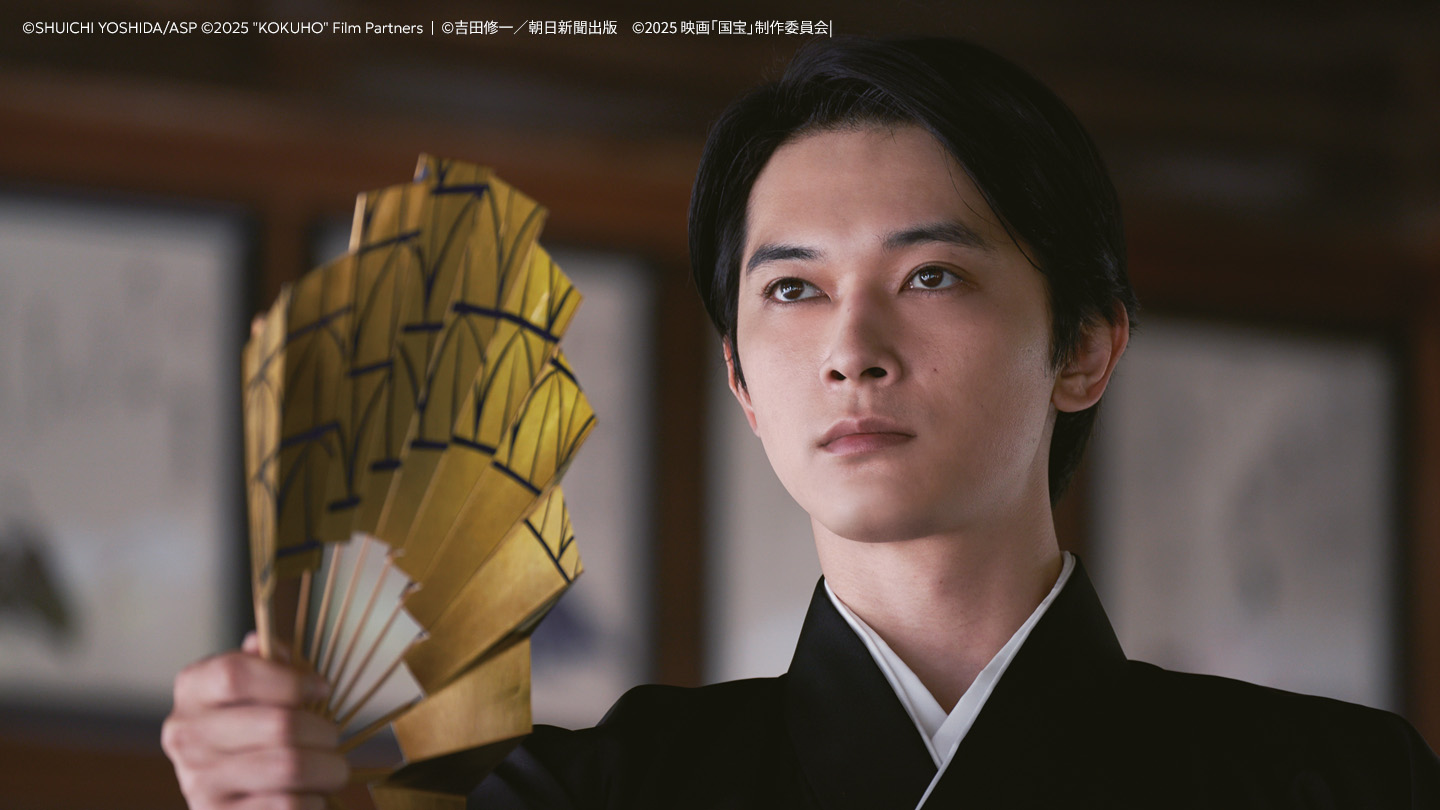
Shiraishi is also eager to explore interoperability with emerging technologies such as 3D Gaussian Splatting. “As the boundary between 2D and 3D continues to dissolve, the demand for more efficient and higher-quality visual expression will only increase,” he says. “I expect Nuke to continue evolving at the center of this shift.”
Kokuho VFX: Where passion and craft converge
Shiraishi reflects on the project with deep emotion, saying: “This was the first time I felt so strongly that when you approach a project with passion and a genuine desire to create something meaningful, that feeling truly reaches people. On set, I could feel the unwavering dedication of the director, cast, and crew. Being able to carry that spirit forward through VFX and help realize their vision was an invaluable experience.”
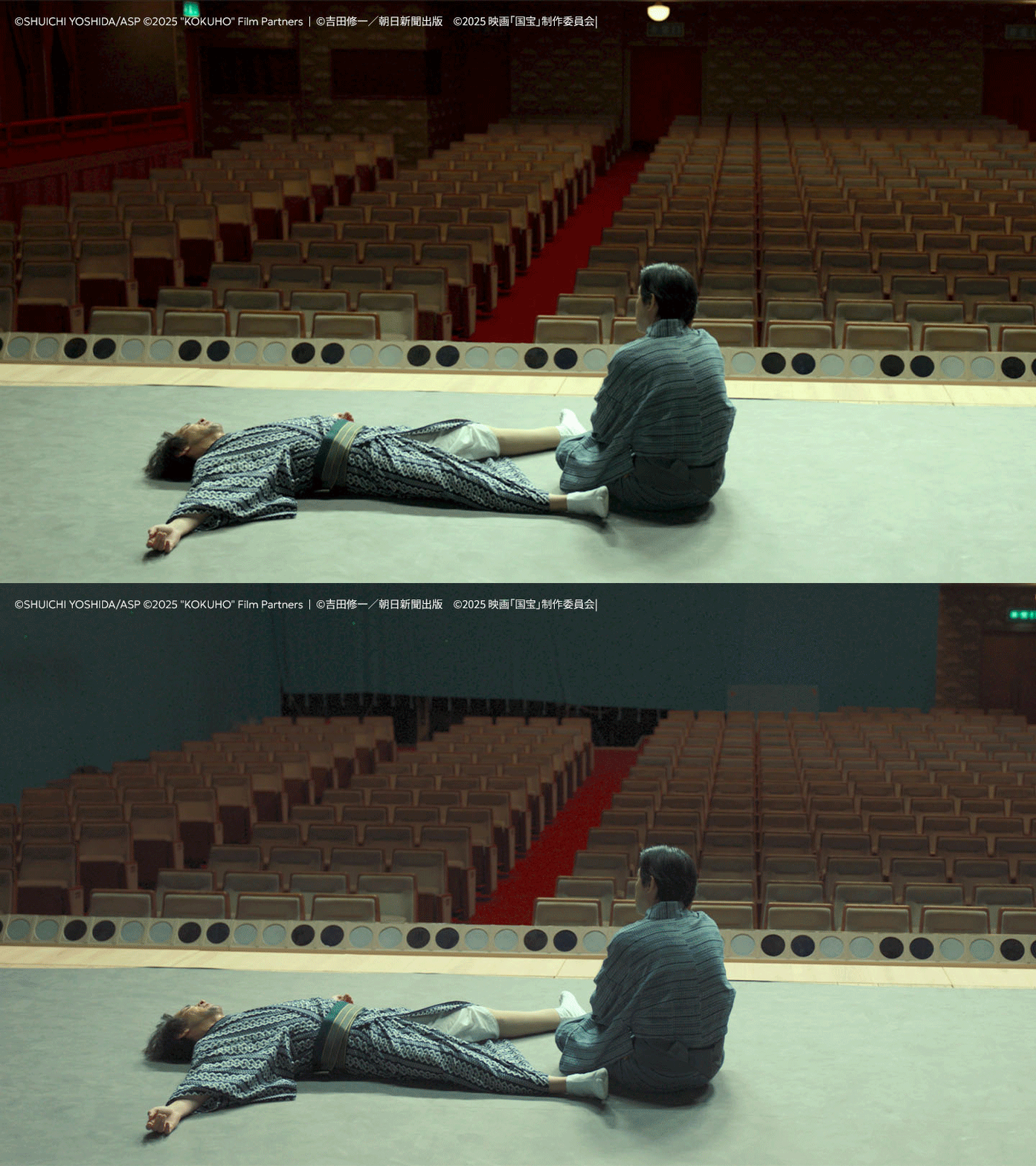
The final scene — where Kikuo arrives at a “beautiful landscape unlike anything seen before” — was the result of extensive discussions with the director and countless delicate adjustments made in Nuke.
“When I watched that sequence during the completion screening, accompanied by the ending music, I was genuinely moved by how the VFX, the score, and the direction came together as a unified work of art,” says Shiraishi. “In that moment, I truly felt grateful to have been part of this project.
What to find out more about the latest updates in Nuke? Find out what’s new in Nuke!