Katana のスプラッシュ画面を飾る、注目の VFX アーティストに迫る
パリを拠点に活動するCGジェネラリスト兼環境アーティストのAhmed Khelladi氏は、フランスの複数のスタジオでキャリアを積んだ後、現在はフリーランスとして活動している。
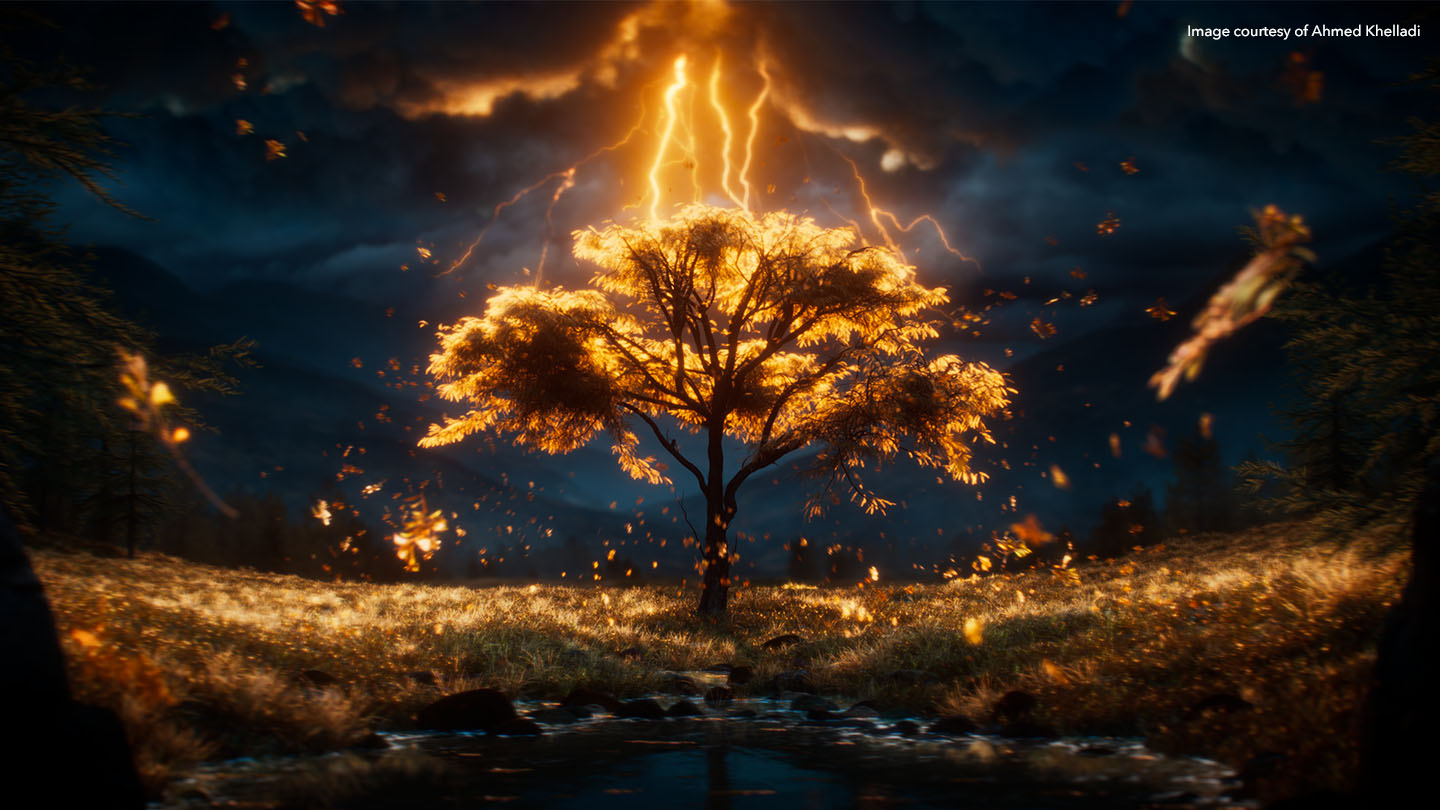
直近では、Katana 9.0のリリースにあたり、印象的なスプラッシュスクリーンアートワークを手がけた。最新のアーティストスポットライトでは、VFXの道を志したきっかけや、Katanaのスプラッシュスクリーンにおける環境制作のプロセス、そして新進アーティストへのアドバイスについて語っている。
これまでのキャリアにおいて、VFXの道を志すきっかけとなった作品やシーン、エフェクトはありますか?
はい、映画『アバター』です。初めてこの作品を観たときは、あまりの衝撃に圧倒されました。また、ビジュアルデベロップメントアーティストであるSteven Cormann氏の、エンバイロメント/DMP(デジタルマットペイント)/コンセプトワークにも大きな影響を受けています。CGエンバイロメント分野のジェネラリストという道を選んだ背景には、彼の存在が大きく影響していると思います。
VFXの仕事で、特にどのような点にやりがいを感じていますか?
環境制作におけるプロシージャルなセットアップを構築する作業は、特に楽しいと感じています。また、ライティングやコンポジットの工程も魅力的で、制作プロセス全体がとても好きです。一方で、あまり得意ではないのが、従来型のハードサーフェスモデリングです。単一のアセットに長時間向き合う必要があり、どうしても時間がかかる作業ですから。私はショット全体の画づくりに関わることが好きなので、その点もジェネラリストという道を選んだ理由の一つです。
これまでのキャリアについて教えてください。
2020年から2022年にかけて、FuturaeでCGを学びました。卒業後は、Stim StudioやMathematic Studioといったフランスの複数のスタジオで経験を積みました。2023年末頃からはフリーランスとしての活動が中心となり、現在はこの働き方をとても楽しんでいます。将来的には大手スタジオで再びフルタイムとして働くことも視野に入れており、特にWētā FXで働くことは私の夢のひとつです。
これまでに手がけた中で、特に誇りに思っているプロジェクトと、その理由も教えてください。
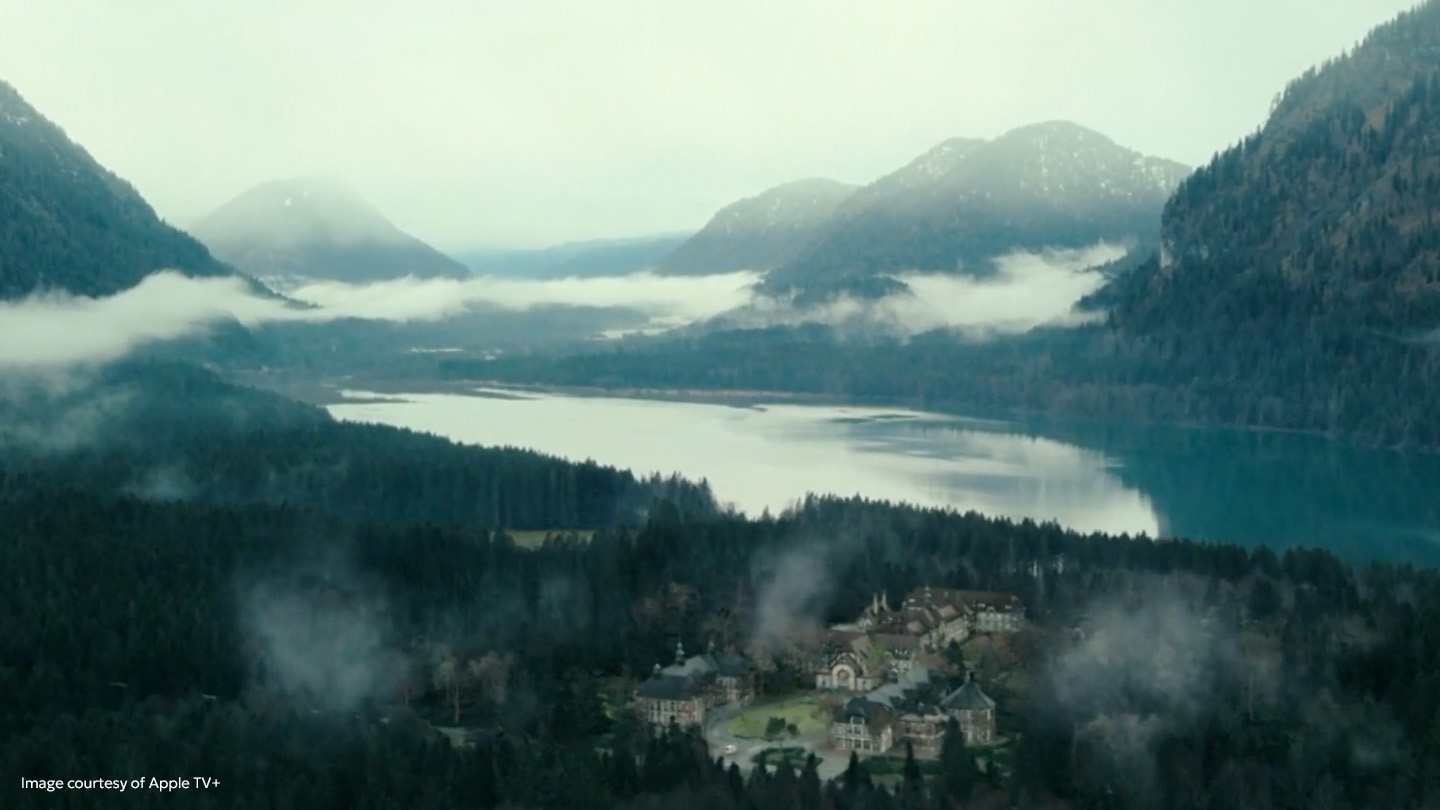
プロとしての仕事では、Apple TV+のドラマ『コンステレーション』で手がけたエスタブリッシングショットが最も印象に残っています。2023年、Mathematic Studioに在籍していた当時のことで、業界に入ったばかりの頃でした。スーパーバイザーのMartin Trepreau氏(本当に素晴らしい方です)が、私を信頼して任せてくれたことは一生忘れられません。当時、私はまだまだコンポジターとして働いていましたが、環境制作に携わりたいと伝えたところ、すぐに大きなエスタブリッシングショットを任せてくれました。当時の自分にとってはかなり難しいものでしたが、試行錯誤を重ねながら取り組み、今でも誇りに思える仕上がりにすることができました。あらためて、Martinには感謝しています。
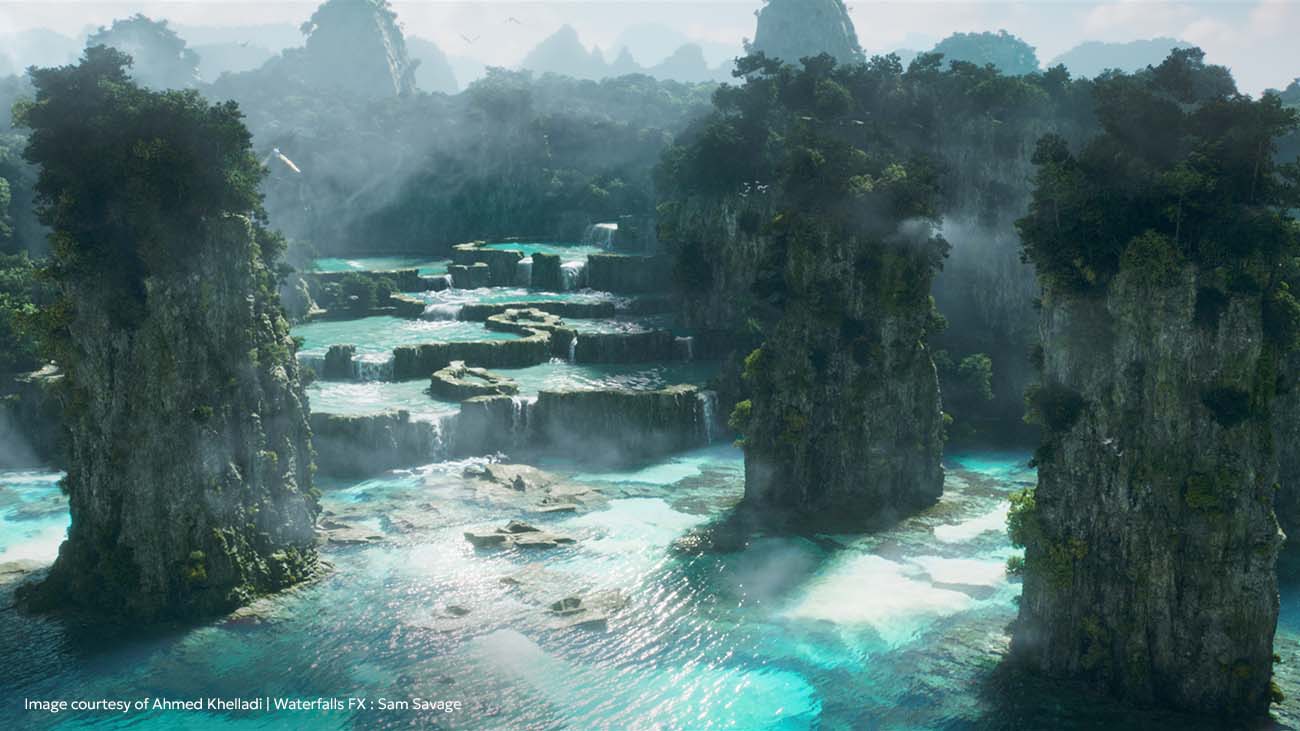
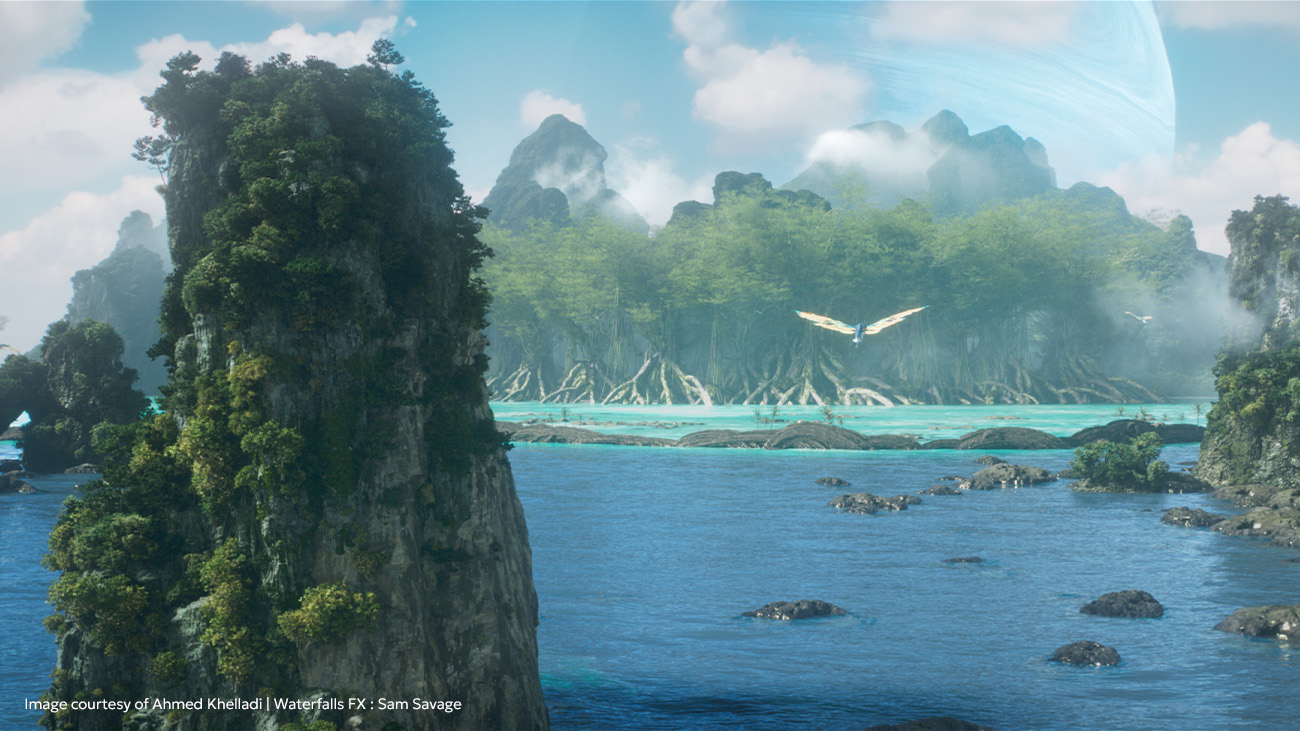
個人的な作品では、『アバター』のランドスケープを題材にしたファンアートが一番の自信作です。この作品をきっかけにフリーランスとしての仕事の機会が広がりましたし、個人プロジェクトの中でも特に多くの時間と労力を注いだ作品でもあります。その成果が実際のチャンスにつながったときは、本当に嬉しく感じました。
Katana 9.0 のアートワークを制作するにあたって、主なインスピレーションの源は何でしたか?
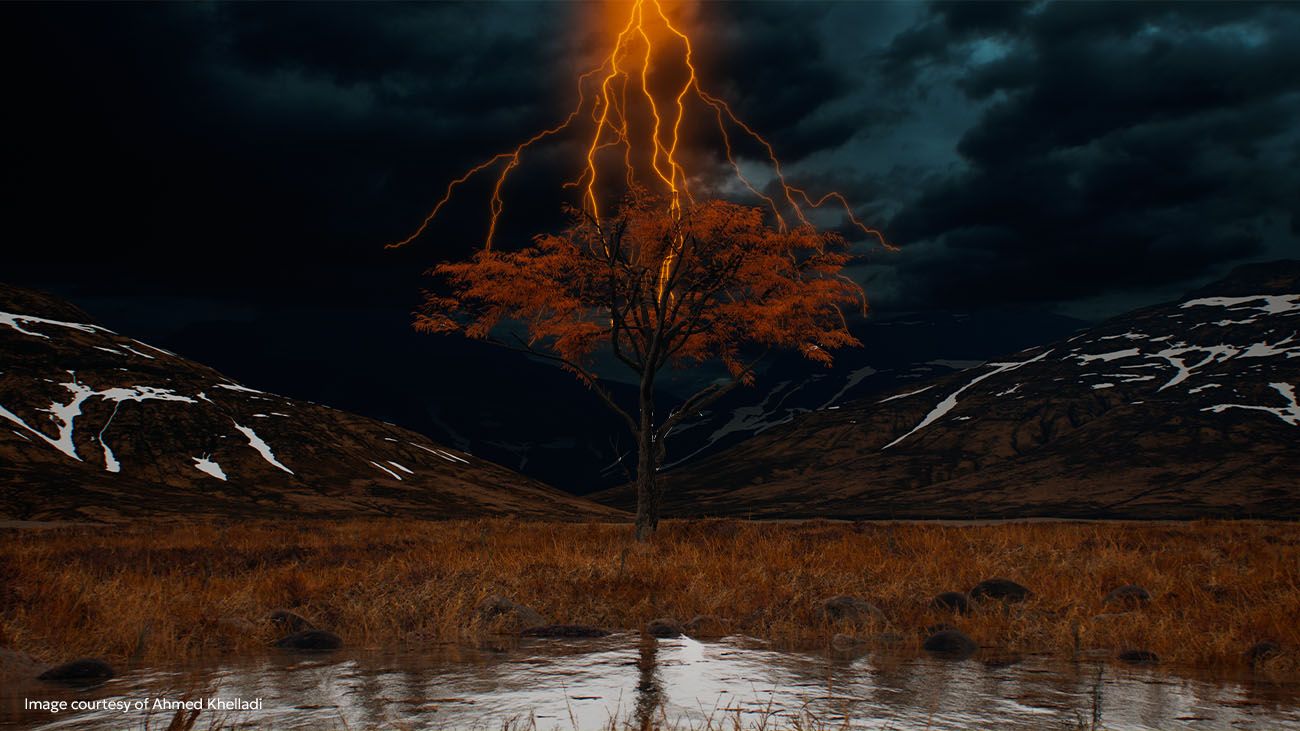
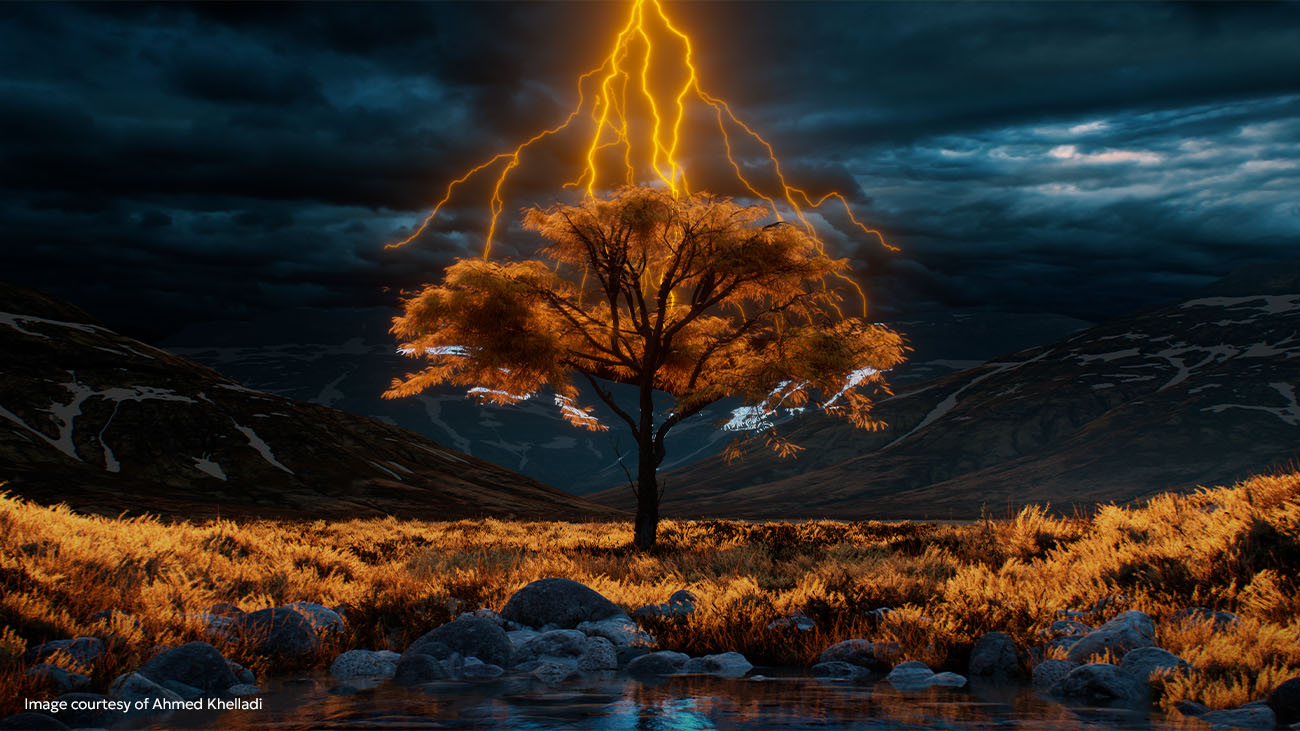
特定のインスピレーションがひとつあったわけではなく、さまざまな場所からリファレンスを集めました。背景の環境についてはスコットランドのハイランド地方から多くを引用していますが、中央の象徴的な木については、主にアカシアの木(本来その場所には自生しないのですが)からインスピレーションを得ています。制作のブリーフが『力強さを感じさせるイメージ』というものだったので、いかにそれを具現化するかに注力しました。
環境アーティストとして、「環境」をテーマに制作することは自分の中で決まっていました。そこで、自然界において「力強い光源」になり得るものは何かを考えた結果、2つのアイデアが浮かびました。火山の噴火と、雷です。当初はどちらにするか決めかねていたのですが、ある時、美しい形状の木のリファレンスを見たことで、木の枝と稲妻の枝のような形状を対比させる構図を思いつき、最終的に雷のアイデアを採用しました。
Katanaの習得は、他のライティングソフトと比べていかがでしたか?
今回のプロジェクトで初めてKatanaに触れたのですが、非常に使い勝手が良いと感じました。基本さえ理解してしまえば、複雑なシーンであってもスムーズにレンダリング工程まで進むことができるのが大きな魅力です。また、ソフトウェア自体が非常に高度に最適化されており、クラッシュやエラーがほとんど発生しない点も気に入っています。何かにつまずいたとしても、たいていの場合、問題の所在はソフトではなく自分の方にあることが多かったですね(笑)。
このプロジェクトにおいて、Katanaによって解決できた具体的な課題はありましたか?
はい、シーンの整理ですね。Katanaは他の多くのソフトウェアと比べて、非常にスムーズに操作できると感じました。ノードネットワークの使い勝手も良く、必要な調整をすぐに行えるため、長時間探し回る必要がない点もとても良かったです。
今後、世界中のユーザーが Katana を起動するたびにあなたの作品を目にすることになります。ご自身の作品が採用されたことについて、改めていまのお気持ちを聞かせてください。
信じられないような気分です。2020年当時の自分に「将来、君の作品がKatanaで採用されるよ」と言ったとしても、きっと自分自身でも信じなかったでしょうね。
Katanaの機能や特徴の中で、特に高く評価しているポイントとその理由を教えてください。
シーン整理のシンプルさはもちろんですが、ライティングツールも気に入っています。いくつかテストをしてみましたが、とても使いやすいと感じました。今回の作品に関しては、HDRIを1枚と、スペキュラー調整用にもう1枚を使用したのみでしたが、それでも十分に効果的に扱うことができました。他のソフトウェアと比べても、Katanaは効率的で信頼性が高く、安定していて処理も速いと感じています。
VFX業界を目指す方々へ、アドバイスをお願いします。
LinkedInやネット上の情報をすべて鵜呑みにしないことです。VFX業界に入ることは、10〜15年前に比べて確実に難しくなっています。ただ、他の多くの分野と同じように、十分な実力があれば必ず仕事は見つかりますし、時間はかかるかもしれませんが道は開けるはずです。自分が目標とするアーティストのショーリールを見れば、どのレベルが求められているかは自ずとわかるはずです。
自分に問いかけるべきことはただひとつ。採用担当者やスーパーバイザーの目に留まるだけの実力を身につけるために、必要な努力と継続を惜しまない覚悟があるかどうかです。もし答えが「イエス」なら、何をすべきかはもう分かっているはずですよ。
Khelladi氏の作品は、ArtStationでご覧いただけます。
Katanaをより効果的に活用するために、Foundry Learn のチュートリアルもぜひご活用ください。また、学生の方は Education ページもあわせてご確認ください。